Workbench Size for a Shed: A Useful Guide
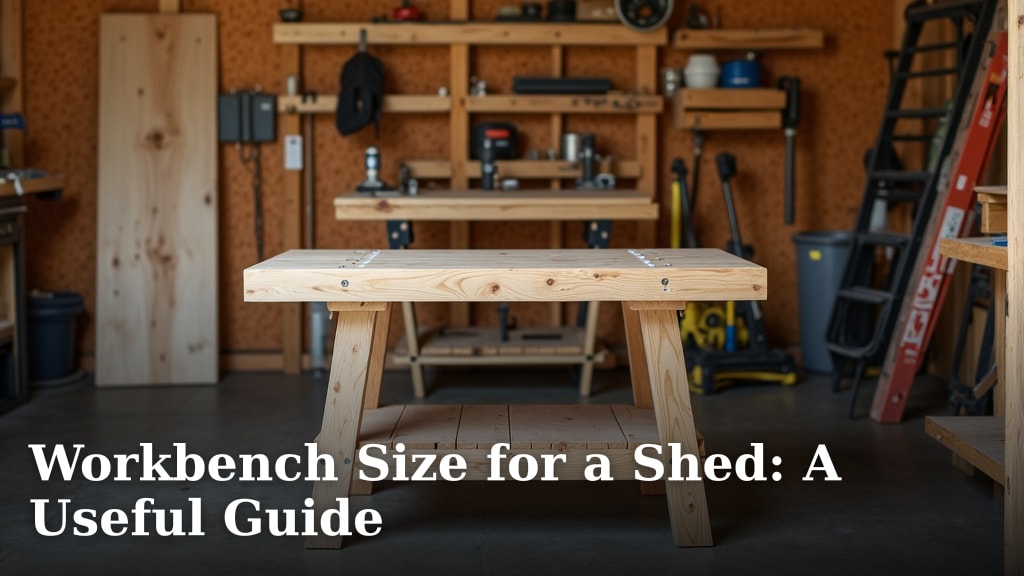
When choosing a workbench size for your shed, think about your When choosing a workbench size for your shed, consider what makes a garage workbench useful.primary use and available space. A common and versatile size is around 4 to 6 feet long. This offers enough room for most projects without overwhelming a smaller shed.
Your shed workbench needs to be practical for the tasks you’ll perform. Consider the size of your tools and materials. A workbench that’s too small can be frustrating, while one that’s too large might make your shed feel cramped. We found that balancing functionality with your shed’s dimensions is key.
TL;DR:
- Standard shed workbench length: 4 to 6 feet.
- Consider your main projects and shed space.
- Factor in the size of your tools and materials.
- A well-sized workbench boosts productivity.
Let’s dive into the details to help you pick the perfect workbench size for your shed.
“`htmlChoosing the Right Workbench Dimensions for Your Shed
Finding the perfect workbench size for your shed can make a big difference. It’s about creating a workspace that feels just right. Not too big, not too small. We’ve looked into what works best for most people.
Understanding Your Shed’s Limitations
Before you even think about workbench dimensions, take a good, honest look at your shed. How much space do you actually have? It’s easy to dream big, but reality often calls for a more practical approach. Think of it like fitting furniture into a room.
Measuring Your Shed’s Floor Space
Grab a tape measure. Measure the length and width of the clear floor area you can dedicate to a workbench. Don’t forget to account for doors, windows, and any other permanent features. You need room to walk around, too!
Considering Headroom and Clearance
It’s not just about the floor. Do you have enough height? Will you be banging your head when you stand up? Also, think about how you’ll get tools and materials in and out. You’ll need space to maneuver.
Key Factors for Workbench Sizing
Your workbench needs to serve a purpose. What will you be doing there? This question is the most important one. A simple potting bench has different needs than a full woodworking station.
Primary Use Case: What Will You Do?
Are you just assembling a few things now and then? Or are you building furniture, repairing engines, or doing detailed craft work? This will dictate the surface area you need. For light tasks, a smaller bench might be fine. For heavier projects, you’ll want more elbow room.
Tool and Material Storage Needs
Where will your tools live? Do you plan to mount shelves above the bench? Will you need space for toolboxes or bins underneath? The workbench itself might need to accommodate larger items, like a vise or a bench grinder.
Ergonomics and Working Comfort
This is about your body. How high should the bench be? Research suggests a comfortable height allows your elbows to be bent at about a 90-degree angle when you’re working. Many experts say this can reduce strain and improve posture (Liberty Mutual).
Common Workbench Dimensions and Their Uses
Let’s talk numbers. What are some typical sizes, and who are they best for? We’ve found that certain dimensions tend to work well for specific needs.
Compact Workbenches (Under 4 Feet)
These are great for very small sheds or for users who only need a small surface. Think of a spot for sorting mail, potting a few plants, or holding a laptop. They take up minimal space. You won’t feel crowded with one of these.
Standard Workbenches (4 to 6 Feet)
This is often the sweet spot for many shed owners. A 4-foot bench offers a decent amount of surface. A 6-foot bench provides even more room for spreading out projects. These sizes usually fit well in typical garden sheds.
Large Workbenches (Over 6 Feet)
If you have a larger shed or a dedicated workshop space, you might consider a longer bench. These are ideal for serious woodworking or projects that require a lot of space to lay out. Be sure your shed can handle the footprint.
Table: Workbench Size vs. Shed Type
Different shed types lend themselves to different workbench sizes. Here’s a general guide we found helpful:
| Shed Type | Typical Workbench Length | Best For |
|---|---|---|
| Small Garden Shed (e.g., 6×4 ft) | 3-4 feet | Light assembly, potting, tool organization |
| Medium Shed (e.g., 8×6 ft) | 4-6 feet | General DIY, crafting, small repairs |
| Large Shed/Workshop (e.g., 10×8 ft+) | 6-8+ feet | Woodworking, larger projects, multiple users |
Depth and Height Considerations
Length is important, but so are depth and height. These often get overlooked.
Workbench Depth
Most standard workbenches are between 24 to 36 inches deep. A 24-inch depth is common for lighter work. If you plan to use vises or need to place larger tools, a 30-inch or 36-inch depth offers more stability and space.
Workbench Height
As we touched on, height is key for comfort. Standard counter height is around 36 inches. For a workbench, heights can range from 30 inches to 42 inches. Many DIYers find 34-38 inches to be a good compromise. Your personal height plays a big role here.
Planning for Future Needs
Think about what you might want to do with your shed in the future. Will your hobbies change? Will you need more storage? It’s often easier to plan for a slightly larger bench now than to replace a too-small one later.
A Quick Checklist for Your Workbench Size Decision
Before you decide, run through this quick checklist:
- Does the workbench fit comfortably in my shed?
- Can I move around the shed and open doors/windows freely?
- Is the workbench surface large enough for my main projects?
- Will the workbench height allow me to work comfortably?
- Does the depth accommodate my tools and working style?
- Does it leave room for any planned storage?
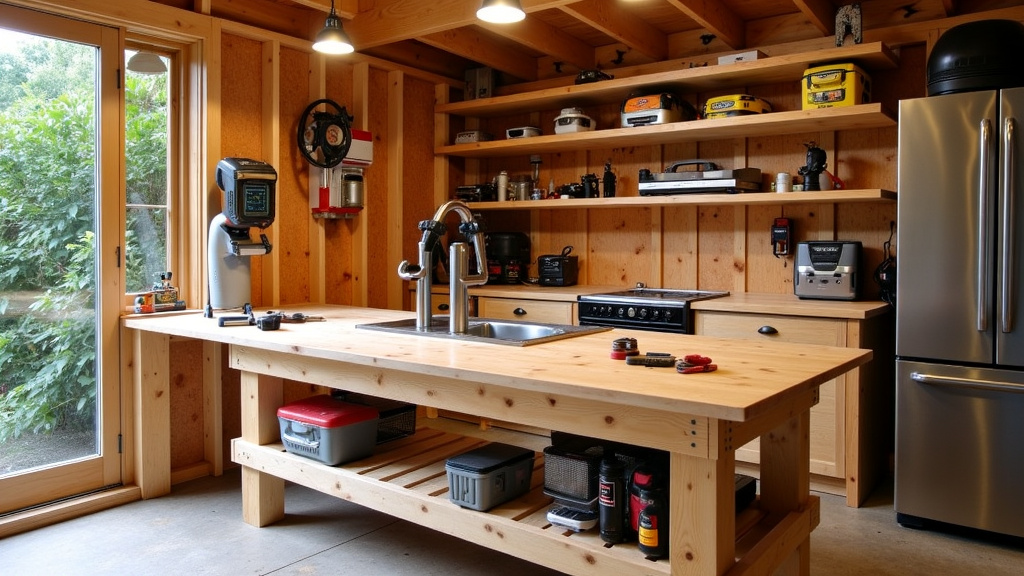
Conclusion
Choosing the right workbench size for your shed is all about balance. You need enough space for your projects and tools, but not so much that your shed feels cramped. We found that considering your shed’s actual dimensions, your main tasks, and your own comfort is key. A workbench that’s too small can be frustrating. One that’s too big can make movement difficult. By carefully measuring your space and thinking about how you’ll use the bench, you can create a truly functional workspace. Now, take those measurements and start planning your perfect shed setup!
Frequently Asked Questions
What is the ideal workbench depth for a shed?
Most standard workbenches range from 24 to 36 inches deep. A 24-inch depth works well for lighter tasks. If you plan to use larger tools or vises, consider a 30-inch or 36-inch depth for better stability.
How high should my shed workbench be?
Workbench height greatly affects comfort and can reduce strain. Many find a height between 34 to 38 inches works well. Ideally, your elbows should be bent at about a 90-degree angle when standing at the bench.
Can I fit a 6-foot workbench in a small shed?
Fitting a 6-foot workbench in a small shed depends on its exact dimensions and layout. You’ll need to ensure you still have adequate space to walk around and access tools. Measure your shed’s clear floor space carefully.
Should I get a workbench based on my shed’s size or my project needs?
It’s best to consider both. Your project needs will tell you the minimum surface area you require. Your shed’s size will determine the maximum footprint you can accommodate comfortably. Finding a compromise is often necessary.
What if my shed is very narrow?
If your shed is narrow, you might opt for a shallower workbench (around 24 inches deep) and a shorter length (3-4 feet). You could also consider mounting a fold-down workbench to save space when not in use.