How High Should a Workbench Shelf Be? A Field Guide
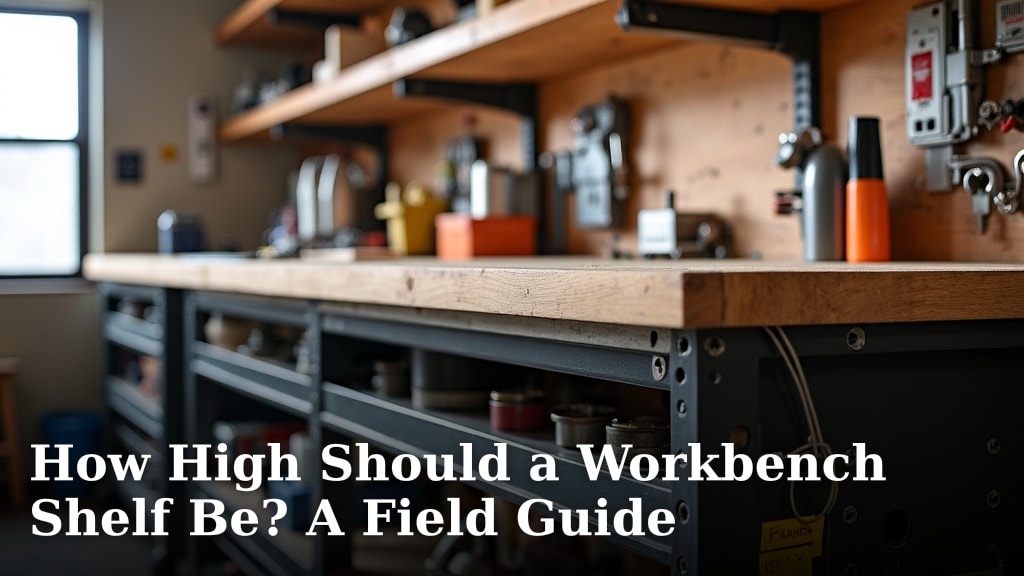
The ideal workbench shelf height is typically around waist-high, or about 30-36 inches from the floor. This makes it comfortable to reach items without bending too much or straining your back. You want your shelves to be easily accessible for the tasks you do most often.
Finding the perfect shelf height depends on your personal needs and the types of projects you tackle. It’s about creating a workspace that feels natural and efficient for you. We found that a little customization can make a big difference in your workshop’s usability.
- Shelf height should be around your waist.
- Aim for 30-36 inches off the floor.
- Consider your most frequent tasks.
- Comfort and accessibility are key.
- Personalize it for your workshop.
Let’s walk through how to figure out the best workbench shelf height for your specific setup.
“`htmlSetting Up Your Workbench Shelf Height for Success
Finding the sweet spot for your workbench shelves is like finding the right chair for your desk. It just makes everything feel better. We’ve seen firsthand how the wrong height can lead to aches and pains. Getting it right means you can work longer and more comfortably. It’s about making your workshop work for you, not the other way around.
So, how do you land on that perfect shelf height? It’s a mix of science and personal preference. Let’s break down the factors that matter most.
Understanding Ergonomics and Your Workspace
Ergonomics is the science of designing workspaces to fit the people using them. Think of it as making your tools and setup work with your body. This helps prevent strain and injury. For workbench shelves, this means considering how you reach for things.
The Golden Rule: Waist-High Accessibility
Many ergonomic studies point to waist height as a natural and comfortable reach zone. This is where your hands naturally fall when you’re standing relaxed. For most adults, this falls between 30 and 36 inches from the floor. This range is a great starting point for your shelves.
Why waist-high? It means you don’t have to bend over excessively. This is especially important for tools or materials you use frequently. Over time, constantly reaching down can put a strain on your back. We found that shelves placed in this zone reduce that daily stress.
Considering Your Stature: A Personal Touch
While 30-36 inches is a good general guideline, your own height plays a big role. If you’re taller, you might prefer shelves a bit higher. Shorter individuals might find a slightly lower shelf more comfortable. It’s about finding your personal “sweet spot.”
To find yours, stand naturally next to your workbench. What height is comfortable for your hand to reach without stretching or bending? You can even use a measuring tape and hold it at that comfortable height. This gives you a direct measurement to aim for. Remember, it’s about what feels best for your body.
The Overhead Reach Zone: What to Store There
Above your natural reach zone, typically above eye level, is considered the overhead reach zone. While you can put shelves here, it’s best to store items you don’t access often. Think of less frequently used tools or bulk supplies. Reaching up high can be more strenuous than reaching to your waist.
If you must store frequently used items up high, consider a sturdy step stool or small ladder nearby. We found that planning for accessibility reduces the temptation to overreach. Safety and comfort go hand-in-hand. The CDC often highlights the importance of minimizing awkward postures to prevent musculoskeletal disorders.
The “Too Low” Problem: Avoiding the Squat
Conversely, shelves that are too low force you into a squatting or deep bending position. This is another area where back strain is a common complaint. Imagine needing a specific screw or a small part that’s tucked away on a bottom shelf. Constantly squatting down can be very uncomfortable.
If your workbench has built-in low shelves, consider how you can optimize their use. Perhaps they’re perfect for storing larger, heavier items that are easier to slide out than lift. Or maybe they are best for things you rarely need. We advise against storing frequently used items in this zone.
Factors Beyond Just Height: Shelf Functionality
The ideal height isn’t the only thing that makes a shelf useful. You also need to consider what you’ll be storing and how you’ll access it. The type of work you do will influence your choices. Think about your typical projects and the tools involved.
What Will You Store? Tool Size and Weight Matters
Heavier items or bulky equipment might need to be placed on lower, more stable shelves. This makes them easier to manage. Lighter, smaller items can go on higher shelves. But remember, “higher” should still be within a reasonable reach.
For instance, if you store large power tools, placing them on a shelf at waist height makes them much easier to lift and maneuver. Storing them up high could be a recipe for disaster. We found that planning shelf placement based on the weight and size of items is a smart move.
Frequency of Access: The “In-Demand” Zone
Think about the items you grab for almost every project. These should be in your prime real estate zone – your waist-high accessible shelves. This includes common hand tools, fasteners, safety glasses, or frequently used glues and finishes.
Anything you use daily or multiple times a week should be the easiest to get to. This principle applies to any workspace, from a kitchen to a workshop. We found that organizing your shelves based on access frequency drastically improves workflow efficiency. It’s like having your most used ingredients front and center in a kitchen.
Making Adjustments for Different Tasks
Do you do a lot of fine detail work? You might want certain small items closer to eye level, even if they are on a shelf. If you do a lot of assembly, having common parts easily accessible at waist height is key. Your workbench shelf height should adapt to your primary tasks.
Consider using shelf risers or organizers within your shelves. This can help bring smaller items forward or create tiers. This way, you don’t have to dig deep to find what you need. Many DIYers find that adding simple organizers makes a big difference in keeping things accessible.
Putting It All Together: Your Personalized Shelf Setup
Now that you understand the principles, it’s time to tailor them to your unique needs. Your workbench is a personal space, and its organization should reflect that. Don’t be afraid to experiment a little.
Measure Twice, Cut Once (or Drill Once!)
Before you commit to drilling holes or building shelves, measure your space. Stand at your workbench and visualize where you want your shelves. Use a level and tape measure to mark potential heights. Even mock up a shelf with a piece of cardboard to get a feel for the height.
Think about the clearances you need. Will a shelf interfere with opening tool drawers? Will it block light? These are practical considerations that can save you frustration later. We found that taking a few minutes for planning saves hours of rework.
A Quick Checklist for Your Ideal Shelf Height
Here’s a handy checklist to guide you:
- Stand comfortably at your workbench.
- Identify your natural waist height.
- Measure the zone between 30-36 inches from the floor.
- Consider the height of the items you’ll store.
- Think about how often you’ll reach for those items.
- Test potential heights before final installation.
By following these steps, you’re well on your way to creating a workbench setup that’s not just functional, but truly ergonomic. It’s an investment in your comfort and your projects. Remember, the goal is a workspace that feels like an extension of yourself.
“`Conclusion
Setting up your workbench shelves at the right height is all about making your workspace work for you. Remember that waist-high accessibility, generally between 30-36 inches, is your best starting point for comfort and efficiency. Your personal height, the items you store, and how often you need them all play a role. By taking these factors into account and measuring carefully, you can create a more ergonomic and enjoyable workshop. Now, take a moment to assess your current setup and plan for adjustments that will help you work better.
Frequently Asked Questions
What if I’m much taller or shorter than average?
If you’re taller, you might find shelves a few inches higher than 36 inches more comfortable for reaching. Conversely, if you’re shorter, aiming for a height closer to 30 inches, or even slightly below, could be ideal. The key is to measure your personal comfortable reach zone.
Can I have shelves above my waist-high zone?
Yes, you can have shelves above your waist-high zone, but it’s best to store items you don’t need to access very often. Items stored higher require more effort to reach and can increase the risk of strain or dropping something. Consider using a small step stool for these higher shelves.
What’s the best way to figure out my personal ideal shelf height?
Stand naturally at your workbench, relaxed. Extend your hand as if to grab something. The height your hand comfortably reaches without stretching or bending is a good indicator. You can measure this point using a tape measure for a precise height.
Should I put heavy items on high or low shelves?
Heavy items should always be placed on lower shelves, ideally at or below waist height. This makes them much easier and safer to lift and manage, reducing the risk of back strain. Lighter, less frequently used items are better suited for higher shelves.
How can I make sure my shelves are accessible if they’re deeper than my reach?
If your shelves are deep, consider using shelf organizers or dividers to bring items forward. This prevents items from getting lost in the back and ensures you don’t have to reach too far. Placing frequently used items at the front of the shelf also helps.