How Tall Should Workbench Legs Be? Sizes and Specs
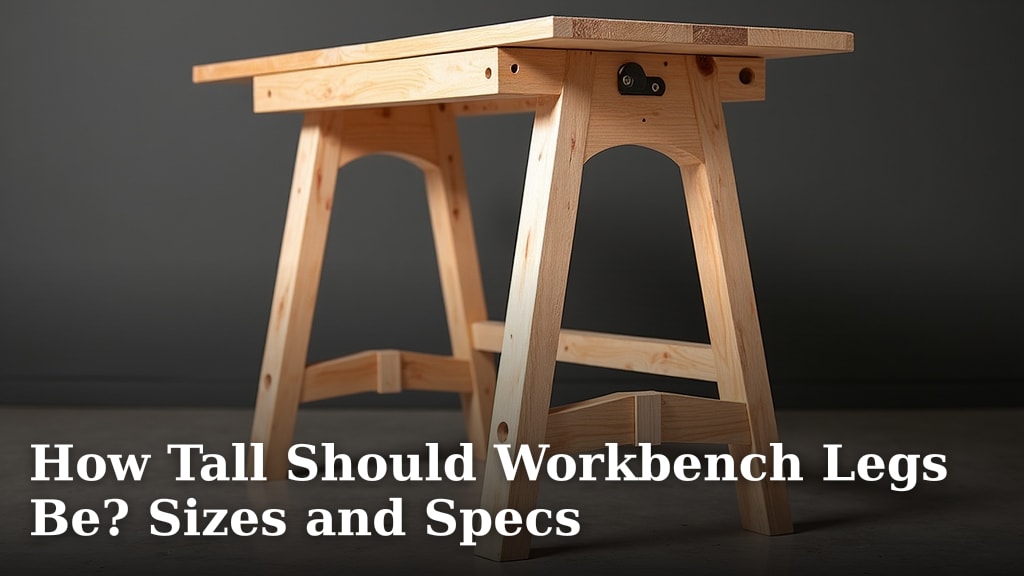
The ideal workbench leg height depends on your height and what you plan to do. For most people, a standard workbench height of 34 to 36 inches works well. This allows you to stand comfortably while working without hunching over.
Getting the workbench height just right can make a big difference in your comfort and efficiency. You want a height that lets you use your tools properly. Many factors influence this, including the type of work you do and whether you prefer to sit or stand.
- Standard workbench height: 34-36 inches.
- Consider your personal height.
- Think about standing vs. sitting.
- Match height to your specific tasks.
We’ve researched common recommendations and found that customizing your workbench is key. Let’s break down how to choose the perfect leg height for your needs.
“`htmlFinding Your Perfect Workbench Leg Height
Choosing the right workbench leg height is a **personal journey**. It’s not a one-size-fits-all situation. You want a workbench that feels like it was made just for you. This means it should support your natural posture. We’ve looked into what makes a workbench comfortable and productive.
The goal is to avoid straining your back or neck. You want to stand or sit in a relaxed position. This allows you to **focus on your tasks**, not on discomfort. Let’s figure out what height works best for your setup. Many factors play a role, and we’ll cover them.
Measuring for Your Ideal Workbench Height
The most important factor is your own height. Think about how you naturally stand. Your ideal workbench height will likely align with your **hip or elbow crease**. This is a common starting point for many projects. We found that this general guideline works for a lot of people.
Here’s a simple way to find your starting point. Stand up straight with your feet flat on the floor. Relax your arms at your sides. Measure the distance from the floor to the **bottom of your elbow**. This measurement can be a good indicator for a standing workbench.
Standing Workbench Height Guidelines
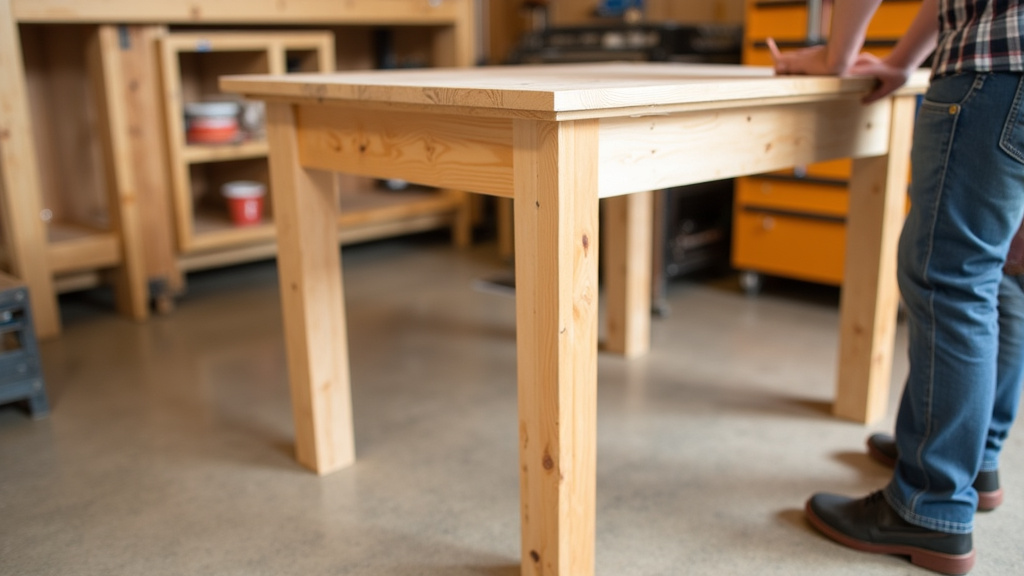
For standing work, many woodworking and crafting guides suggest a height that allows your elbows to be at a **90-degree angle**. This means your forearms are parallel to the floor when you’re working on the surface. For many adults, this falls between 34 and 36 inches.
We found that this range is widely recommended. It accommodates a broad spectrum of individuals. If you’re on the taller side, you might aim for the higher end. If you’re shorter, the lower end of the range is often best. This prevents **unnecessary hunching**.
Sitting Workbench Height Considerations
If you plan to sit at your workbench often, the height needs to adjust. You’ll want to be able to slide a chair underneath comfortably. The surface should still allow for that 90-degree elbow bend when seated. This might mean a **lower workbench height** than for standing use.
Consider the height of your chair as well. You might need to experiment a bit. Some people even opt for adjustable-height benches. This offers the most **flexibility for different tasks**. We’ve seen many DIYers create fantastic adjustable solutions.
Factors That Influence Your Workbench Height Choice
Beyond your personal height, what else should you consider? The type of work you do is a **huge factor**. Delicate tasks might require a slightly different height than heavy-duty assembly. We’ve researched common workbench uses to help you decide.
Task-Specific Workbench Heights
For detailed work, like intricate model building or jewelry making, you might prefer a slightly lower surface. This allows for better visibility and control. A common recommendation is to have the surface align with your **waist or a bit below**. This provides a stable base for precision.
On the other hand, tasks involving hammering, sawing, or using heavy tools often benefit from a higher bench. This reduces strain on your back and shoulders. Aiming for that **elbow height** for standing is usually a good bet here. This gives you plenty of leverage.
Material Thickness and Its Impact
Remember that the workbench leg height is just one part of the equation. You also need to account for the **thickness of your workbench top**. If you’re buying pre-made legs, you’ll want to know the final height with your chosen material. A 2-inch thick butcher block top will result in a different final height than a 1-inch plywood top.
We found that many leg kits are designed for standard tabletop thicknesses. Always check the manufacturer’s specifications. If you’re building your own, factor in the tabletop thickness when calculating your leg length. It’s better to **overestimate slightly** and trim if needed.
Standard Workbench Leg Sizes and Specifications
When looking at pre-made workbench legs, you’ll find a few common sizes. These are designed to fit general user needs. We’ve compiled some typical specifications you might encounter.
| Leg Height (inches) | Typical Use | Ideal User Height Range (Standing) |
|---|---|---|
| 28-30 | Seated work, desk conversion | Up to 5’4″ |
| 32-34 | General purpose, sitting/standing mix | 5’4″ – 5’8″ |
| 34-36 | Standard standing work, general assembly | 5’8″ – 6’0″ |
| 37-39 | Taller users, heavy-duty standing work | 6’0″ and up |
Keep in mind that these are **general guidelines**. Your personal comfort is the ultimate deciding factor. The table above is a helpful starting point. Many legs also come with adjustable feet. This allows for fine-tuning on **uneven floors**.
Tips for Customizing Your Workbench Height
Sometimes, off-the-shelf solutions aren’t perfect. Don’t worry, there are ways to get the height exactly right. We’ve seen many creative solutions that work wonderfully.
Adjustable Legs for Flexibility
Adjustable workbench legs are a popular choice for a reason. They often have threaded feet or bolt-on extensions. This allows you to **dial in the perfect height**. It’s also great if your workbench needs to serve multiple purposes. You can raise it for heavy tasks and lower it for fine detail work.
DIY Solutions for Specific Needs
If you’re building your own workbench, you have complete control. You can cut your legs to the precise length needed. Another option is adding **risers or platforms**. These can be made from wood or metal to add height to existing legs.
We found that even simple blocks of wood can work. Make sure whatever you add is **sturdy and securely attached**. Safety is always the top priority. A wobbly workbench is not only ineffective but also dangerous.
Considering Your Floor Surface
Don’t forget about your workspace floor. Is it perfectly level? If not, you might need legs with adjustable feet. This is especially true if you have an older garage or a workshop with a **slightly sloped concrete floor**. A few inches of adjustment can make a world of difference.
We found that a stable workbench is key to safe and effective work. If your bench rocks or shifts, it can lead to mistakes and accidents. Ensure your chosen legs can **compensate for any unevenness**.
Your Workbench Height Checklist
To make sure you’ve got it all figured out, here’s a quick checklist. Think through these points as you decide:
- Measure your elbow height while standing.
- Consider if you’ll sit or stand most often.
- Think about the specific tasks you’ll perform.
- Factor in the thickness of your workbench top.
- Check if adjustable feet are needed for your floor.
- Does the final height allow for comfortable movement?
Getting your workbench height right is about creating a space that works for you. It’s about **comfort, efficiency, and safety**. By considering these factors, you’re well on your way to a workbench you’ll love using.
“`
Conclusion
You’ve learned that the perfect workbench leg height is deeply personal. It’s not just about a standard number, but about how it fits your body and your workflow. By measuring your elbow height and considering your tasks, you can find that sweet spot. Remember to account for your tabletop’s thickness too. Take these steps to customize your workspace. You’ll create a more comfortable and productive environment for all your projects. Now, go ahead and measure to ensure your workbench supports you perfectly.
Frequently Asked Questions
What’s the easiest way to figure out my ideal workbench height?
The simplest method is to stand comfortably with your arms relaxed at your sides. Measure the distance from the floor to your elbow crease. This measurement is a great starting point for a standing workbench height.
Can I use a standard desk height for a workbench?
Generally, no. Standard desk heights are usually lower, around 28-30 inches. Most people find this too low for comfortable standing work. A workbench typically needs to be taller to avoid hunching and strain.
How do I adjust my workbench if I work on different tasks?
If your workbench needs to accommodate various tasks, consider adjustable legs. These allow you to easily change the height. Some users also create simple platforms or risers to alter the workbench height as needed.
Does the type of flooring in my workshop affect leg height?
Yes, your floor can play a role. If your floor is uneven or sloped, look for workbench legs with adjustable feet. This lets you level the workbench and ensure it’s stable, regardless of the floor’s surface.
What if I’m much taller or shorter than average?
If you’re outside the typical height range, don’t rely solely on standard guidelines. Use the elbow-height measurement method. You’ll likely need legs that are either shorter or longer than the 34-36 inch standard to ensure comfort.