MDF vs Plywood Workbench Top: What to Know
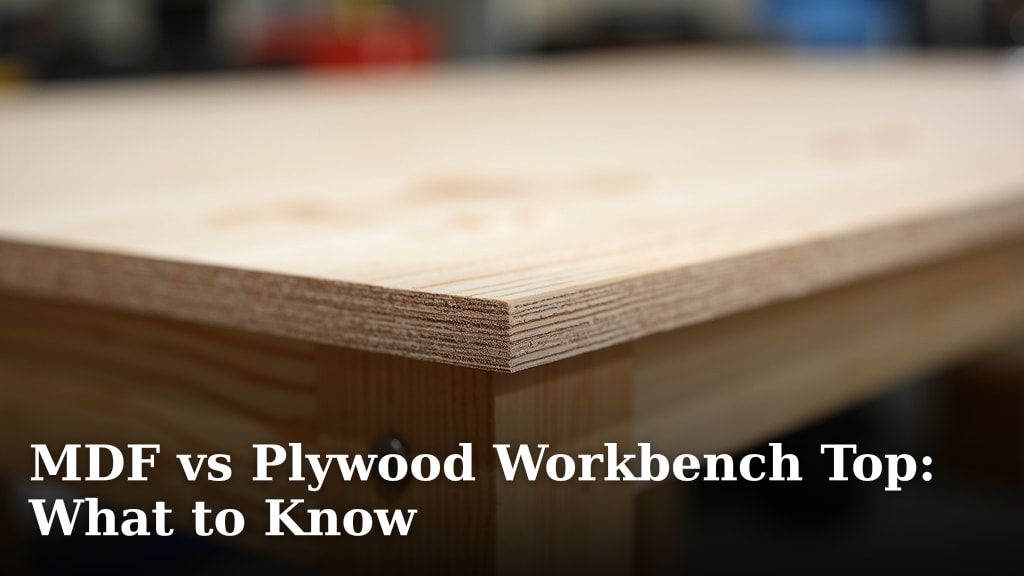
For a workbench top, plywood generally offers better durability and resistance to wear than MDF. While MDF can be cheaper, it’s more susceptible to water damage and can crumble under heavy impact. Plywood, made from multiple wood layers, provides superior strength and stability for your workshop projects.
Choosing between MDF and plywood involves balancing cost, durability, and your specific workshop needs. MDF is known for its smooth surface, ideal for painting, but its tendency to absorb moisture and warp can be a major drawback for a heavy-use workbench. Plywood, with its layered construction, offers a more robust and forgiving surface for pounding and cutting.
- Plywood is typically stronger and more durable for workbench tops.
- MDF is cheaper but less resistant to moisture and impact.
- Consider how you’ll use your workbench to decide.
- Both can be finished for better protection.
We’ve researched the pros and cons of both materials for workbench tops. Let’s dive into what you need to know to make the best choice for your workshop.
“`htmlChoosing the Right Material for Your Workbench Top
When building or upgrading your workbench, the top surface is critical. It’s where all the action happens. You’ll be hammering, cutting, and maybe even dropping things. So, what’s the best material to choose? We looked at MDF and plywood. Both are popular choices. Each has its own strengths and weaknesses for this kind of heavy use. For a workbench top, understanding the overall purpose of a garage workbench can help inform your material choice.
Understanding MDF (Medium-Density Fiberboard)
MDF is made from wood fibers that are glued and pressed together. This process creates a very **uniform and smooth panel**. It has no wood grain like solid wood or plywood. This smoothness is often why people consider it for a workbench top. It’s great for projects where a **perfectly flat and paintable surface** is needed.
Think of it like a very dense particleboard. It’s consistent all the way through. This means you won’t find knots or voids that could cause problems later. It machines well, meaning it’s easy to cut and shape without splintering.
The Pros of Using MDF for a Workbench
One of the biggest draws of MDF is its **smooth, grain-free surface**. This makes it an excellent candidate if your primary goal is a smooth finish. You can paint or laminate it easily. This gives you a clean, professional-looking workspace. It’s also generally **less expensive than plywood**. For DIYers on a tight budget, this can be a major factor.
MDF is also very stable. It doesn’t warp or twist as easily as solid wood. This means your workbench top will likely stay flat over time. This stability is important for ensuring accurate cuts and assemblies.
The Cons of Using MDF for a Workbench
However, MDF has some significant downsides for a workbench. Its biggest weakness is its **susceptibility to moisture**. If you spill water or other liquids on it, MDF will absorb the moisture. This can cause it to swell and even disintegrate over time. This is a major concern in most workshops. Even humidity can be an issue.
MDF also doesn’t hold screws very well. Because it’s made of fine fibers, screws can strip out easily. This means attaching jigs or vises might be more difficult. It’s also **less resistant to impact**. Dropping a heavy tool can cause MDF to chip or crumble. This can lead to permanent damage.
Understanding Plywood
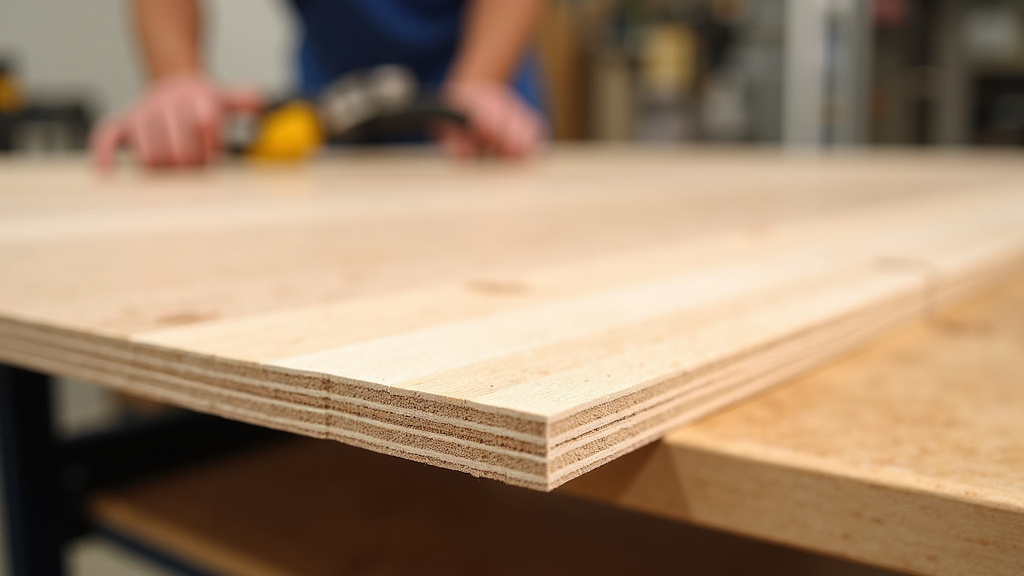
Plywood is made by gluing together thin layers, or veneers, of wood. These layers are stacked at different angles. This cross-graining makes plywood **very strong and stable**. It’s like building with layers of cross-bracing. This construction gives it a much better strength-to-weight ratio than MDF.
Plywood comes in different grades and types. For a workbench, you’ll typically want to look at hardwood plywood or high-quality construction-grade plywood. The number of layers and the type of wood used will affect its performance.
The Pros of Using Plywood for a Workbench
Plywood is renowned for its **strength and durability**. The layered construction makes it resistant to breaking and cracking. It can handle heavy loads and impacts much better than MDF. You can hammer on it, drop tools, and it’s less likely to suffer significant damage. This makes it a more **robust choice** for a demanding workspace.
Plywood is also more resistant to moisture than MDF. While it’s not waterproof, it won’t swell and fall apart as quickly. If it gets wet,
Conclusion
When choosing your workbench top, it comes down to balancing your needs. For a tough, durable surface that can take a beating, plywood is usually the better choice. Its layered construction makes it strong against impacts and more forgiving with moisture. MDF offers a smoother, less expensive option, but you’ll need to be extra careful about spills and heavy impacts.
Ultimately, decide how you’ll use your workbench most. If you need maximum durability, go for plywood. If you prioritize a smooth, paintable surface and have a good protection plan, MDF might work. For either material, applying a good finish is key to extending its life and usability.
Frequently Asked Questions
Can I use MDF if I’m on a tight budget?
Yes, MDF is generally less expensive than plywood, making it a budget-friendly option for your workbench top. Just be sure you understand its limitations with moisture and impact. You’ll want to protect it well to ensure it lasts.
How do I protect an MDF workbench top from moisture?
You can protect an MDF workbench top by applying multiple coats of a durable paint, varnish, or a specialized workbench coating. Sealing all edges and undersides is also very important to prevent moisture absorption.
Is plywood always better than MDF for a workbench?
Plywood is generally stronger and more durable for heavy-duty use, especially where impacts are common. However, MDF can be preferred if you need an extremely smooth surface for tasks like detailed finishing or painting, and you can manage its moisture sensitivity.
Will a damp cloth damage my MDF workbench top?
A damp cloth can cause damage to an MDF workbench top if left for too long. MDF readily absorbs moisture, which can lead to swelling and degradation. It’s best to wipe up spills immediately and avoid leaving wet items on the surface.
Can I add a butcher block top over an existing MDF or plywood top?
Yes, adding a butcher block top is a great option to create a superior workbench surface. You can secure it directly to your existing MDF or plywood base. This gives you the benefit of a very hard, durable, and repairable surface.