Do I Need a Workbench for Woodworking? A Shop Primer
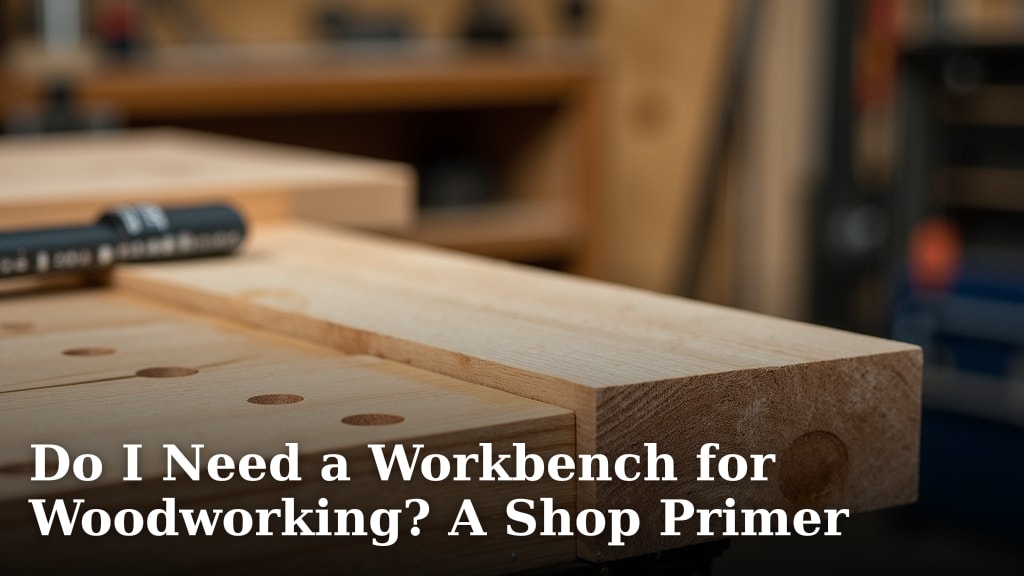
Yes, you need a workbench for woodworking because it provides a stable and safe surface for your projects. We found that
Why Every Woodworker Needs a Solid Workbench
Think of a workbench as the foundation of your craft. You wouldn’t build a house on a shaky platform, and the same logic applies here. A proper workbench provides the one thing every project demands: absolute stability. It’s the central hub where measuring, cutting, assembling, and finishing all happen safely and efficiently.
Stability is Non-Negotiable
When you’re sawing, chiseling, or hammering, you need a surface that won’t budge. A flimsy table can wobble, ruining your cuts and creating serious safety hazards. We found that a substantial workbench, properly weighted or secured, is the single most important factor in preventing workshop accidents. It gives you a reliable base to apply force without worrying about the whole setup shifting on you.
Mitigating Movement and Vibration
A good bench absorbs the shock of your mallet strikes and the vibration of power tools. This isn’t just about comfort; it’s about accuracy. Excess movement throws off your measurements and joinery. Many experts recommend a bench with a thick, solid top—often made from hardwood like maple or oak—to dampen these forces and keep your workpieces firmly in place.
Your Work Surface Dictates Your Quality
The top of your workbench isn’t just a table; it’s your primary reference plane. A flat, durable surface ensures that your assemblies are square and your joints align properly. An uneven or soft surface can lead to warped projects and a lot of frustrated sanding later on. You need a benchtop that can take a beating and still provide a true, flat area for your work.
Materials Matter More Than You Think
Workbench tops come in different materials, each with pros and cons. Laminate is affordable and smooth. Wood is traditional and can be repaired. Butcher block is sturdy and replaceable. The key is choosing a material that won’t dent easily from your clamps or mar from glue spills. A surface that stays flat and true over years of use is worth the investment.
Essential Features of a Good Workbench
Beyond the simple slab of wood, a well-designed workbench has features that make your work easier and more organized. These elements turn a basic table into a woodworking command center.
Clamping and Work-Holding Power
You need both hands to work, so your bench must hold your project for you. This is where vises and dog holes come in. A front vise and a tail vise are the classic setup, allowing you to clamp boards on edge or flat. We found that a bench with a grid of dog holes offers the most flexibility for holding odd-shaped pieces with holdfasts and bench dogs.
The Role of Traditional Vises
A heavy-duty front vise is a game-changer for tasks like edge planing. It provides immense pressure to hold your board perfectly still. While some modern benches use innovative clamp systems, the reliability of a well-built vise is hard to beat. It’s a core component of work-holding that has stood the test of time.
Storage Keeps You Efficient
A cluttered workshop slows you down and causes accidents. A bench with built-in storage solves this problem elegantly. Shelves underneath, drawers for small tools, and a cabinet for finishes keep everything within arm’s reach. This means less time walking to the toolbox and more time actually building. Your bench should be the command center, not just another piece of furniture.
Drawers vs. Open Shelving
The choice between drawers and shelves depends on your style. Drawers protect fine tools from dust and keep small items like screws organized. Open shelving allows for quick access to larger power tools and glue bottles. The best solution often includes a mix of both, tailored to what you use most often.
Types of Workbenches to Consider
Not all benches are created equal. Your choice depends on your space, budget, and the kind of woodworking you do. From heavy stationary benches to flexible portable options, there’s a right fit for your shop.
The Traditional Roubo or Nicholson Bench
These are the heavyweights of the woodworking world. Made from thick slabs of hardwood, they are incredibly stable and built to last generations. Their mass is their greatest feature, as it prevents any movement during use. They are perfect for hand-tool-focused woodworking and offer incredible work-holding options. However, they are expensive to buy and very heavy to move.
Modern Prefabricated Benches
For many beginners, a store-bought bench is a practical starting point. Companies offer steel-legged benches with laminated or beech wood tops. These provide good stability at a lower cost and are often easier to assemble and move than a custom-built monster. They are a solid middle-ground option that balances price and performance.
DIY and Upcycled Options
You can absolutely build a capable workbench yourself. Many woodworkers start with a simple torsion box design or a bench made from construction lumber like 2x4s. Another approach is upcolding an old door or solid-core countertop into a benchtop and pairing it with sturdy legs. This route saves money and teaches you a lot about bench construction.
| Bench Type | Key Benefit | Best For |
|---|---|---|
| Traditional Hand-Cut | Unmatched stability and tradition | Hand tool purists, long-term investment |
| Prefabricated | Ready to use, good value | Beginners, mixed hand/power tool shops |
| DIY Project | Low cost, customizable | Hobbyists, learning the fundamentals |
| Portable/Folding | Saves space, mobile | Small shops, garage spaces, classes |
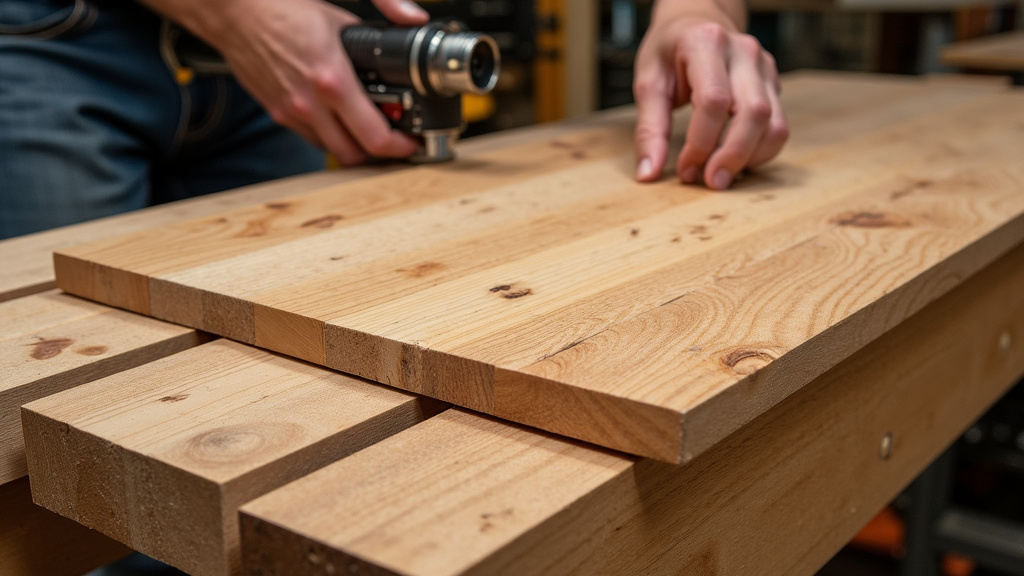
Can You Woodwork Without a Dedicated Bench?
Let’s be real: when you’re starting, you might clamp a board to your kitchen table or use a sturdy folding table. You can make sawdust this way, but you’ll quickly hit limits. The lack of proper work-holding, stability, and surface quality will frustrate you and compromise your results.
While a makeshift surface can handle very light projects or initial learning, investing in a real workbench is the step that signals a commitment to the craft. It’s the difference between fighting your workspace and having it support your creativity. Your projects will become more complex, and you’ll need a partner that can keep up.
How to Choose Your First Workbench
Don’t get paralyzed by options. Focus on these key criteria to find a bench that fits your needs. Remember, a good workbench is a long-term tool, not a quick purchase.
- Assess Your Space: Measure your workshop area. Know the maximum dimensions you can accommodate, including room to move around the bench.
- Set a Realistic Budget: Decide what you can spend. A DIY bench might cost a few hundred dollars in materials, while a high-end pre-built bench can cost over a thousand.
- Prioritize Stability: Whatever you choose, make sure it doesn’t wobble. A bench with a heavy top or sturdy metal frame is essential.
- Think About Work-Holding: Does it have a vise? Dog holes? Clamping options? This is what you’ll use for 80% of your tasks.
- Plan for Storage: Can it hold your most-used tools and supplies? Built-in storage is a huge plus.
- Consider Portability: Do you need to move it or store it away? A heavy bench is stable but hard to relocate.
Start Simple, Upgrade Later
You don’t need the most expensive bench to start making great things. A solid, stable surface you can trust is the foundation. As your skills and projects grow, you can modify your bench, add accessories like a better vise, or eventually upgrade to a more permanent fixture. The most important thing is to have a dedicated space where you feel confident to create.
Conclusion
So, do you need a workbench for woodworking? Absolutely. We’ve covered that a solid, stable bench is the non-negotiable foundation for safe, accurate, and enjoyable work. It’s your primary tool-holding partner, your quality control surface, and your shop’s organizational command center. Whether you buy a prefabricated model, build a classic Roubo, or start with a sturdy DIY version, the right bench will transform your projects from frustrating to fulfilling. It’s the difference between fighting your workspace and letting it support your craft.
Your next step is simple: honestly assess your space, budget, and the kind of woodworking you want to do. Use the criteria we discussed to pick a bench that provides true stability and good work-holding options. Don’t wait for the “perfect” bench—start with a reliable surface you can trust today. This investment in your workshop will pay dividends in the quality of every piece you create from here on out.
Frequently Asked Questions
Can I start woodworking with just a folding table or sawhorses?
You can learn basic cuts and assembly on a folding table, but you’ll quickly hit serious limits. A temporary setup lacks the stability, flat reference surface, and robust work-holding needed for joinery and hand-tool work. For safety and better results, plan to upgrade to a proper bench as soon as your projects grow beyond simple boxes.
What’s the ideal height for a woodworking workbench?
A good rule is to set the benchtop so it reaches just below your elbow when your arms are hanging relaxed at your sides. For most people, this is between 34 and 38 inches tall. This ergonomic height prevents back strain during long sessions of planing or sawing. You should be able to work comfortably without hunching over or reaching up.
Are portable workbenches stable enough for real woodworking?
Some portable benches are surprisingly stable for their size, especially heavy-duty models with locking legs. They are excellent for small shops or jobsite work. However, for advanced joinery or aggressive hand-tool use, the absolute stability of a heavier, stationary bench is hard to beat. Always test a portable bench for wobble before committing to it for detailed work.
How much should I budget for my first workbench?
Budgets can range widely. A solid DIY bench made from construction lumber might cost you $200-$400 in materials. A quality prefabricated bench from a reputable brand typically starts around $500-$800. High-end, traditional benches can cost several thousand dollars. Focus on meeting your core needs for stability and work-holding first; you can always add accessories later.
Do I really need a vise, or are clamps enough?
While you can accomplish a lot with clamps, a good front vise is a game-changer for efficiency. It allows for quick, secure, one-handed clamping of boards on edge for planing or cutting joints. For many woodworkers, a vise is the single most important work-holding feature on their bench. It dramatically speeds up common tasks that are awkward with clamps alone.