Folding Workbench Dimensions: The Key Points
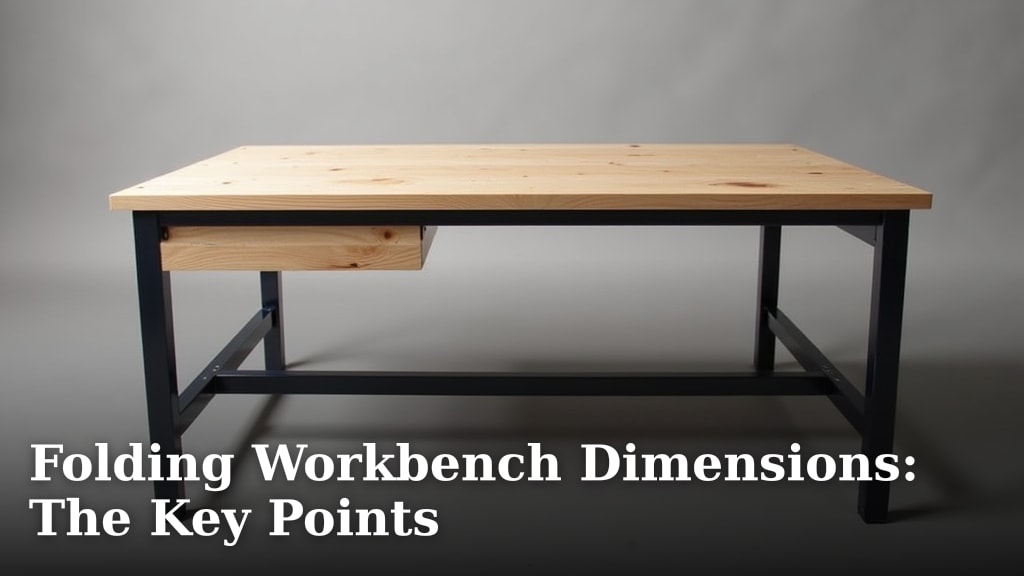
The folding workbench dimensions you need depend on your available space and how you plan to use it. Standard folding workbenches often range from 2 feet to 6 feet in length and about 2 feet in width when open. Consider both its folded size for storage and its open size for your projects.
Finding the right size ensures your workbench is both functional and fits your workshop or garage. You’ll want enough surface area for tasks but a compact profile when you’re done. Many options are available, from small, portable units to larger, more robust models.
- Most folding workbenches are 2 to 6 feet long.
- Width is typically around 2 feet.
- Consider storage space for the folded dimensions.
- Think about the project size you’ll be working on.
Let’s look at the typical measurements and what factors you should consider when choosing your folding workbench.
“`htmlChoosing the Right Folding Workbench Size
When you’re looking for a folding workbench, the dimensions are probably one of the first things on your mind. You need to figure out what size will work best for your space and your projects. It’s like picking out a table for your dining room – it needs to fit, but also be usable.
We’ve found that most folding workbenches fall into a few common size ranges. Understanding these can help you narrow down your options quickly. Think about where it will live when it’s not in use, and where you’ll be doing your work.
Open Workbench Dimensions: Surface Area for Your Projects
The open dimensions are what matter most when you’re actually using the workbench. This is your workspace! You want enough room to lay out your tools, materials, and the item you’re working on.
Most folding workbenches are designed to offer a decent amount of space without taking over your entire garage or shed. Let’s break down the typical measurements you’ll see for length, width, and height.
Length: How Wide Is Your Workspace?
The length of a folding workbench is usually measured from one side to the other when it’s fully open. This is the primary dimension for fitting larger items or spreading out multiple components of a project.
You’ll commonly find folding workbenches ranging from about 2 feet up to 6 feet long. A 2-foot or 3-foot bench is great for smaller tasks or very tight spaces. A 4-foot or 5-foot bench offers a good balance for many DIYers. If you’re working on longer projects, like assembling furniture or doing woodworking, a 6-foot bench might be ideal.
We found that hobbyists often underestimate the space they’ll need. It’s better to have a little extra surface than not enough. Think about the longest thing you might reasonably work on.
Width: How Deep Is Your Workspace?
The width, often called depth, refers to how far the workbench extends from front to back. This dimension is important for stability and for placing tools or materials closer to you.
Typically, folding workbenches measure around 2 feet (24 inches) in width. Some might be slightly narrower, maybe 18 inches, while others could be a bit wider, up to 30 inches. A 24-inch width is usually sufficient for most home projects. It allows you to comfortably place items without them feeling too close to the edge.
Consider if you need space for things like a vise or clamps to stick out over the edge. A wider workbench gives you more flexibility if this is part of your plan.
Height: Working Comfortably
The height of a folding workbench is crucial for ergonomics. You don’t want to be hunched over or reaching too high. Standard workbench heights are often designed to accommodate standing tasks.
Most folding workbenches stand around 30 to 36 inches tall when open. This is similar to the height of a standard kitchen counter or dining table. Some models are adjustable, offering more flexibility for different users or tasks. Adjustable heights can be a great feature if multiple people will use the bench or if you plan to switch between standing and sitting tasks.
We’ve seen that a comfortable working height can make a big difference in how long you can work without fatigue. If you’re tall, you might prefer a taller bench, or one that’s adjustable. If you’re shorter, a standard height might be perfect, or you might look for a slightly lower model.
Folded Workbench Dimensions: Storage Space Considerations
The beauty of a folding workbench is its ability to disappear when you’re done with it. This means the folded dimensions are just as important as the open ones, especially if storage space is limited.
When folded, these workbenches are designed to be compact. They often become much thinner, making them easy to slide into narrow spaces. Think about where you’ll store it: a garage, a corner of a room, or even a closet.
Thickness: How Slim Can It Get?
The thickness when folded is the key measurement for storage. This is usually the smallest dimension of the folded unit.
We found that many folding workbenches reduce to a thickness of only a few inches, often between 4 to 10 inches. This slim profile allows you to store them vertically against a wall, or horizontally under shelves. It’s a big advantage over a permanently set-up workbench.
Make sure you measure the space where you plan to store it. You don’t want to buy a workbench only to find it won’t fit into its designated spot!
Other Folded Dimensions: Width and Height When Stored
While thickness is often the most critical folded dimension, you should also consider the overall footprint when it’s stored. This includes its folded width and height.
A workbench that folds in half will have a folded width that’s roughly half its open length. Its folded height will typically remain close to its open height. Always check the manufacturer’s specifications for the exact folded size. This helps you confirm it will fit through doorways or slide into that perfect niche.
Key Factors Influencing Your Folding Workbench Size Choice
Beyond the basic measurements, several factors will help you decide which folding workbench dimensions are right for you. It’s not just about fitting the space; it’s about fitting your life and your tasks.
Your Available Workspace
This might seem obvious, but it’s worth repeating. Measure your space before you shop. Don’t just guess. Use a tape measure for the open area where you’ll work and the storage area where it will live when folded.
Consider not just the bench itself, but also the space you need around it. Can you walk around it comfortably? Can you open drawers or cabinets nearby? Leave enough room to move freely. For example, a 6-foot workbench might seem great, but if it leaves you with no room to walk around, it’s not practical.
The Size of Your Typical Projects
What will you actually be doing on this workbench? If you’re just assembling small electronics or doing minor repairs, a smaller bench might be fine. But if you’re building furniture, working with large materials, or doing intricate crafts, you’ll need more surface area.
Research suggests that planning for the largest project you might tackle is a wise approach. For instance, if you sometimes build birdhouses and sometimes build bookshelves, you should base your workbench size on the bookshelves. It’s easier to work on a small project on a large bench than vice-versa.
Portability Needs
Do you plan to move the workbench frequently? Some folding workbenches are lighter and more portable than others. Their dimensions, both open and folded, can affect how easy they are to transport.
If you need to take it to different locations or just move it around your garage often, a lighter model with compact folded dimensions is ideal. Heavier, more robust models are great if they’ll stay in one spot, but can be a hassle to move. Think about whether it has wheels or handles.
Weight Capacity and Stability
While not strictly a dimension, the workbench’s weight capacity is directly related to its size and construction. Larger, heavier-duty benches can typically support more weight.
Consider the materials and tools you’ll be using. Are you working with heavy lumber, concrete, or large machinery? Or are your projects lighter, like model building or sewing?
We found that many sturdy folding workbenches can support 300 to 500 pounds or more. This is often enough for most home workshop tasks. Always check the manufacturer’s specifications to ensure the bench can handle your intended load.
Consider These Key Size Points:
- Measure your available floor space.
- Measure your storage space.
- Think about the longest item you’ll work on.
- Consider the width needed for tools and materials.
- Determine your ideal working height.
- Check the folded thickness for storage ease.
| Feature | Common Range | Notes |
|---|---|---|
| Open Length | 2 ft – 6 ft | Longer for larger projects. |
| Open Width (Depth) | 1.5 ft – 2.5 ft (18 in – 30 in) | Allows space for tools near you. |
| Open Height | 2.5 ft – 3 ft (30 in – 36 in) | Aim for ergonomic standing comfort. |
| Folded Thickness | 0.3 ft – 0.8 ft (4 in – 10 in) | Crucial for easy storage. |
| Weight Capacity | 300 lbs – 1000+ lbs | Depends on construction; choose based on your projects. |
Conclusion
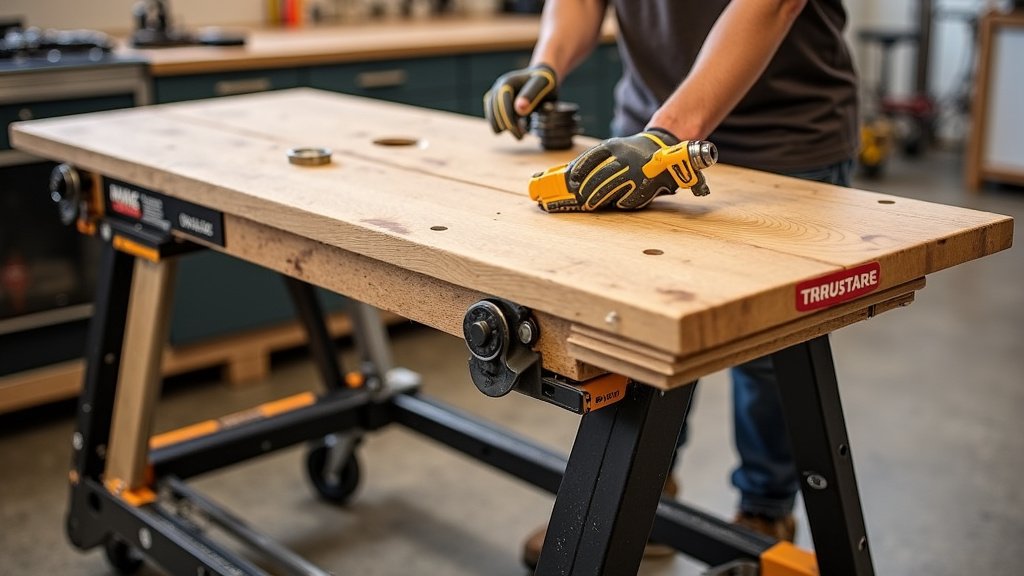
Choosing the right folding workbench dimensions ensures you have a workspace that fits your needs and your space. Remember to measure both the open area for your projects and the folded dimensions for storage. Consider your typical project size, how much portability you require, and your most comfortable working height. By keeping these key measurements in mind, you can select a folding workbench that will serve you well for countless tasks. Before you buy, always check the manufacturer’s specifications to confirm it meets your exact requirements.
Frequently Asked Questions
What’s a typical weight capacity for a folding workbench?
Most standard folding workbenches can support between 300 to 500 pounds. Some heavy-duty models can handle 1000 pounds or more. Always check the product details to ensure it matches the weight of your projects and tools.
Can I fit a 6-foot folding workbench in a small garage?
A 6-foot workbench, when open, will require a substantial amount of floor space. However, when folded, they often become quite thin, possibly fitting into a narrow gap. Measure your available floor and storage space carefully before deciding.
Is a 2-foot wide workbench deep enough for most tasks?
A 2-foot (24-inch) width is generally sufficient for many home DIY projects. It allows enough depth for tools and materials to be within easy reach. If you plan to use large vises or need extra elbow room, consider a slightly wider model if available.
How much clearance do I need around a folding workbench?
You’ll want enough room to move freely around the workbench, ideally at least 2-3 feet of clearance on most sides. This allows you to comfortably access materials, tools, and move without feeling cramped.
Are folding workbench heights adjustable?
Some folding workbenches offer adjustable heights, which is a great feature for ergonomics. Standard heights usually range from 30 to 36 inches, similar to a kitchen counter. Adjustable models provide more flexibility for different users or tasks.