How Wide Should a Workbench Be? The Rundown
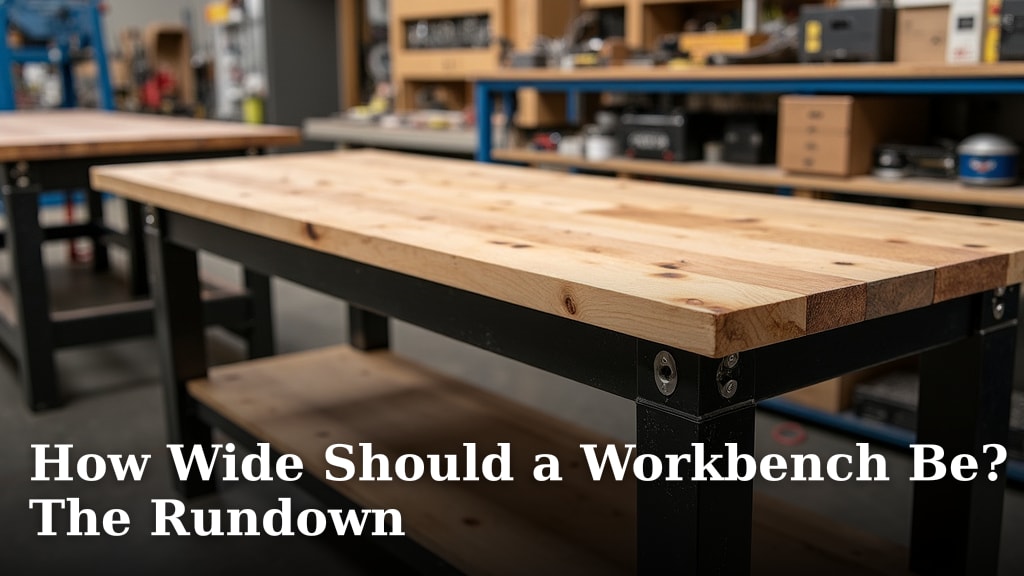
The ideal workbench width depends on your project needs and available space, but generally ranges from 2 to 4 feet deep. A good starting point is often 24 inches, which works for most common tasks. If you handle larger items or need more elbow room, consider going deeper. This balance ensures you have enough surface without overwhelming your workshop.
Think about what you’ll be doing most often. Are you building small crafts or working on large furniture? Do you need space for tools to rest while you work? We found that a workbench that’s too narrow can feel cramped, making tasks harder. Conversely, a workbench that’s too wide might make it difficult to reach across comfortably.
- Workbench width varies based on project type.
- A depth of 24 to 48 inches is common.
- Consider your workspace and typical tasks.
- Ensure you have enough room to move freely.
Let’s get into the specifics and figure out the perfect workbench width for your setup.
Choosing the Right Workbench Depth for Your Space
When setting up your workshop, the workbench’s depth is just as important as its width. You need enough surface area to work comfortably. Many people find a depth between 24 and 48 inches works well for most tasks. Let’s break down what that means for you.
Understanding Workbench Depth: What You Need to Know
Think about the size of projects you usually tackle. Are you building birdhouses or framing a whole house? The items you place on your workbench will dictate how much depth you require. You also need space for your tools.
A common recommendation is to have at least 12 inches of clear workspace on your bench. This means space away from the wall or any vises you might have mounted. We found that many DIYers start with a 24-inch deep bench and later wish they had gone a bit deeper.
Small Projects and Limited Space
If your projects are on the smaller side, like jewelry making or assembling electronics, a bench that is 24 to 30 inches deep might be perfectly fine. This depth also fits well into tighter spaces. You can still have a good-sized workbench without it dominating your room.
Medium Projects and General Use
For general woodworking, crafting, or repairs, a depth of 30 to 36 inches is often ideal. This gives you a nice balance. You have enough room to lay out materials and tools. It’s also deep enough to support larger pieces of wood or metal.
Large Projects and Maximum Workspace
If you plan on building large furniture, working with big sheets of plywood, or need ample room for vises and clamps, you might want to consider a workbench that is 36 to 48 inches deep. This provides extensive surface area. You’ll have plenty of space to spread out.
The Importance of Reachability
While more depth seems better, there’s a catch. You need to be able to reach across your workbench comfortably. If it’s too deep, you might find yourself leaning over awkwardly. This can lead to strain and make work less enjoyable.
Many experts suggest that you should be able to reach the center of your workbench without stretching too much. This is especially true if you’re standing at the bench for long periods. We found that a 36-inch deep bench is often the sweet spot for many people.
Considering Your Workshop Layout
Your workshop’s size and shape play a big role. A large, deep workbench might not fit well in a small garage. You need to leave enough room to walk around the bench safely. This ensures you have good access to all sides of the bench.
Think about where your workbench will be placed. Will it be against a wall? In the center of the room? You need enough space to open doors and drawers on tool chests nearby. We found that people often underestimate the space needed for a comfortable workflow.
Wall-Mounted vs. Freestanding Workbenches
If your workbench is against a wall, you might not need as much depth. You can often place tools and materials on shelves behind the bench. A freestanding workbench offers more flexibility. You can access it from multiple sides.
A Quick Comparison of Depths
Here’s a simple chart to help you visualize the depths:
| Workbench Depth | Best For | Considerations |
|---|---|---|
| 24-30 inches | Small projects, electronics, limited space | May feel cramped for larger items. Good for tight areas. |
| 30-36 inches | General woodworking, crafts, medium-sized projects | A good all-around depth. Balances workspace and reachability. |
| 36-48 inches | Large furniture, heavy-duty work, extensive tool use | Requires more space. Ensure you can reach the center easily. |
Your Ideal Workbench Depth Checklist
To help you decide, ask yourself these questions:
- What are my most common project sizes?
- How much clear space do I need for tools and materials?
- Can I comfortably reach the center of the workbench?
- Is there enough room to walk around the bench?
- Does the depth fit my workshop’s layout?
- Will I need space for specialized tools like vises?
By considering these points, you can select a workbench depth that truly suits your needs. It’s about finding that sweet spot where you have plenty of room to work without feeling overwhelmed or strained.
Conclusion
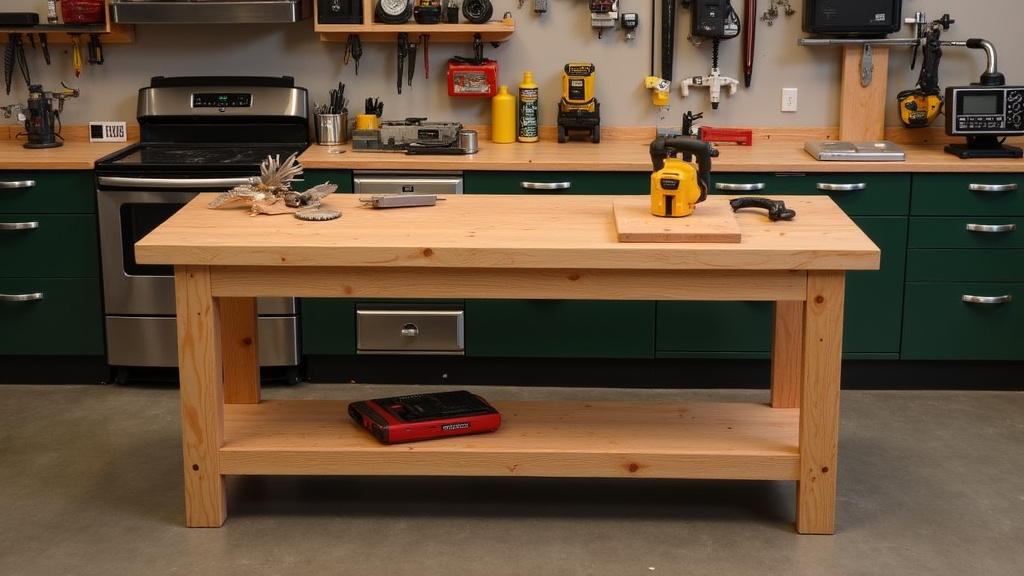
Finding the right workbench depth is key to a comfortable and efficient workspace. You need enough surface for your projects, but not so much that you can’t reach across easily. We found that a depth between 24 and 48 inches generally works well for most people. Consider your typical tasks and available room. By asking yourself a few simple questions about your needs, you can select a workbench depth that perfectly suits your workshop. This thoughtful choice will make your projects more enjoyable.
Frequently Asked Questions
What’s the minimum workbench depth I should consider?
For most common DIY tasks and crafts, a minimum depth of 24 inches is a good starting point. This allows for some basic tool and material placement. If you find yourself working with slightly larger items, you might wish you had opted for a bit more depth.
Is a 48-inch deep workbench too much for a standard garage?
A 48-inch deep workbench can be quite substantial. We found that it works best in larger workshops where you have plenty of room to walk around it. For a standard garage, you might find a depth of 30 to 36 inches offers a better balance of workspace and accessibility.
How does workbench depth affect my ability to use tools like vises?
Workbench depth directly impacts where you can mount tools. A deeper bench allows you to mount vises or other clamping devices further in from the edge. This can be helpful for holding larger pieces of material securely, ensuring they don’t overhang too much.
Can I adjust the depth of a workbench if I buy one that’s too deep?
While you can’t easily “adjust” the depth of a pre-built workbench, you can adapt your workflow. If your bench is deeper than you need, simply position your projects and tools closer to the edge you’re working from. This keeps essential items within easy reach.
What’s the best depth for a workbench if I mostly do small electronics repair?
For small electronics repair, a workbench depth of 24 to 30 inches is usually sufficient. You’ll have enough space for components, tools, and your soldering station. This depth also helps maintain a comfortable reach across the surface for detailed work.