Standard Workbench Dimensions: A Short Guide
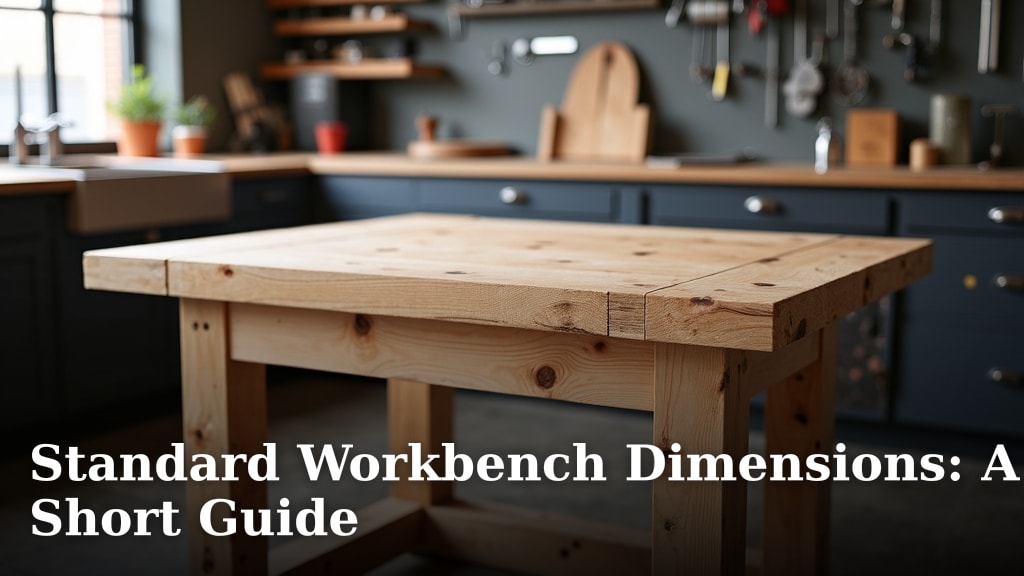
Standard workbench dimensions typically range from 24 to 36 inches deep and 48 to 72 inches wide. The ideal height is usually between 30 to 36 inches, making it comfortable for most people to work without stooping too much. These sizes offer a good balance of workspace and fit for many garages or workshops.
Choosing the right workbench size depends on your needs. Think about the types of projects you’ll tackle and the space you have available. A smaller bench might work for simple repairs, while larger projects demand more surface area. We found that considering future needs is also smart planning.
- Standard workbench depth: 24-36 inches.
- Standard workbench width: 48-72 inches.
- Common workbench height: 30-36 inches.
- Consider your projects and available space.
- Plan for your future workshop needs.
Below, we break down common workbench dimensions and help you figure out what size is best for your specific setup.
Figuring Out the Right Workbench Size for Your Space
So, you’re ready to set up a workshop or just get a better workspace going. That’s fantastic! A workbench is often the heart of any creative or repair space. But before you grab the first one you see, let’s talk about dimensions. Getting the size right is key to making your work enjoyable and efficient. We’ve found that a little planning now can save you a lot of “if onlys” later.
Understanding Workbench Depth: How Much Space Do You Need in Front of You?
Workbench depth refers to how far the bench extends from the wall or your standing position. Think about the tools and materials you’ll need close at hand. Most standard depths fall between 24 and 36 inches. This range usually provides enough room for your project and a bit of breathing space for tools.
The 24-Inch Depth: Good for Tight Spots
A 24-inch deep workbench is a common choice for smaller garages or areas where space is really tight. It’s great if you mainly do lighter tasks like electronics repair or small assembly projects. You’ll have enough surface to lay out your parts and a few essential tools. We found that this size works well for hobbyists with limited room.
The 30-Inch Depth: A Popular Middle Ground
Stepping up to 30 inches gives you a bit more elbow room. This is a very popular depth because it balances workspace with not taking up too much of your room. It’s a solid choice for general woodworking, car repairs, or even heavier crafting. You can spread out a bit more without feeling cramped. Many people find this depth to be the sweet spot for versatility.
The 36-Inch Depth: For Serious Projects
If you’re tackling large projects, like building furniture or doing automotive work, a 36-inch deep workbench is probably what you need. This offers a substantial surface area to spread out. You can fit larger tools, clamps, and workpieces comfortably. Just be sure you have enough open floor space around it. We discovered that this depth really opens up possibilities for bigger jobs.
Workbench Width: How Much Real Estate Do You Need?
Workbench width is the side-to-side measurement. This is where you’ll place larger items, multiple tools, or have space to move around your workpiece. Standard widths typically range from 48 to 72 inches. More width generally means more capability.
The 48-Inch Width: Compact and Functional
A 48-inch wide workbench is a good starting point. It’s quite common and fits well in many garages or basements. This size is adequate for many DIY tasks, bike maintenance, or general household repairs. It provides a decent area to work without dominating your space. If you’re just beginning or have limited space, this is a sensible option.
The 60-Inch Width: A Versatile Workhorse
Moving up to 60 inches gives you significantly more workspace. This is a very common size for serious hobbyists and DIYers. You can easily fit a vise, a miter saw, or a project that’s moderately large. There’s ample room for tools and materials. Many users find this width to be a great balance for a wide variety of tasks.
The 72-Inch Width: Maximum Surface Area
For those who need the most space, a 72-inch wide workbench is the way to go. This provides an expansive surface, perfect for large-scale woodworking, automotive engine work, or even setting up multiple workstations. You won’t feel limited by your bench’s footprint. Just remember, a bench this size requires a spacious workshop to match.
Workbench Height: Finding Your Comfortable Working Level
The height of your workbench is critical for comfort and ergonomics. Working at the wrong height can lead to backaches and fatigue. The ideal height depends on your own stature and how you prefer to work – standing or sitting. Most standard heights range from 30 to 36 inches.
The Standard 30-Inch Height: Good for Sitting or Shorter Individuals
A 30-inch high workbench is roughly the height of a standard kitchen counter. This is often comfortable for people who prefer to sit while they work or for individuals who are on the shorter side. It allows you to get close to your project without stooping too much. Many older or vintage benches might be found at this height.
The 34-36 Inch Height: Ideal for Standing Work
Many modern workbenches are designed to be taller, often around 34 to 36 inches. This height is excellent for standing work. It allows most people to work comfortably without bending over. If you’re doing tasks that require some force, like hammering or sanding, this height provides good leverage. We found that this range is highly recommended for general use.
Adjustable Height Workbenches: The Ultimate Flexibility
For the ultimate in customization, consider an adjustable height workbench. These benches allow you to change the height as needed. You can set it lower for sitting and higher for standing. This offers incredible versatility. While they might be more expensive, the ergonomic benefits can be substantial, especially if multiple people use the bench. Many experts suggest adjustable options for home workshops (National Institute for Occupational Safety and Health).
Factors to Consider When Choosing Your Workbench Dimensions
Beyond the standard numbers, your personal needs should guide your decision. What will you actually *do* at your workbench? And just as importantly, how much room do you actually *have*?
Your Projects: What Will You Build or Fix?
Think realistically about the types of projects you undertake. Are you assembling small electronics? Building large cabinets? Repairing engines? Each requires a different amount of space. A bench that’s too small can be frustrating. A bench that’s too large might just get in the way. We found that being honest about project scale is essential.
Your Space: Measuring Your Workshop Area
This is a big one. Don’t just guess! Measure your available space accurately. Consider not only the workbench footprint but also the clearance needed around it. You need room to walk, move tools, and open doors or drawers. A workbench that’s too big can make your workshop feel cramped and unsafe. Always measure twice, buy once!
Your Height and Working Style: Comfort is Key
As we touched on with height, your physical comfort matters. If you have back issues or are particularly tall or short, you’ll need to factor that in. Some people prefer to stand for most tasks, while others like to sit. Your preferred working style will influence the ideal workbench dimensions for you.
Future Needs: Planning Ahead
It’s often smart to consider what your workshop might look like in a few years. Will your projects get bigger? Will you add more tools that require bench space? Choosing a slightly larger bench now might save you from needing to upgrade later. Many users regret not planning for future expansion. It’s a small investment for long-term satisfaction.
Comparing Common Workbench Sizes: A Quick Look
To help you visualize, let’s look at a few common combinations:
| Depth (in) | Width (in) | Typical Use Case | Pros | Cons |
|---|---|---|---|---|
| 24 | 48 | Small repairs, electronics, hobbyists with limited space | Space-saving, easy to fit | Limited workspace, not ideal for large projects |
| 30 | 60 | General woodworking, DIY, moderate projects | Good balance of space and footprint, versatile | May still be too small for very large items |
| 36 | 72 | Heavy-duty projects, automotive, large-scale building | Maximum workspace, handles large items well | Requires significant floor space, can feel bulky in small rooms |
This table should give you a good starting point for comparing popular options. Remember, these are just guidelines. Your ideal workbench might be slightly different.
Your Workbench Checklist: Key Dimensions to Remember
Before you make your final decision, run through this quick checklist:
- Depth: Do you have enough space for your tools and projects (24-36 inches)?
- Width: Will the bench accommodate the size of items you work on (48-72 inches)?
- Height: Is it comfortable for your standing or sitting preference (30-36 inches)?
- Space Clearance: Can you move around the bench freely and safely?
- Project Needs: Does the size match the typical scope of your tasks?
- Future Growth: Have you considered if you’ll need more space down the line?
By thinking through these points, you’ll be well on your way to selecting a workbench that truly fits your needs and makes your workshop a more enjoyable place to be.
Conclusion
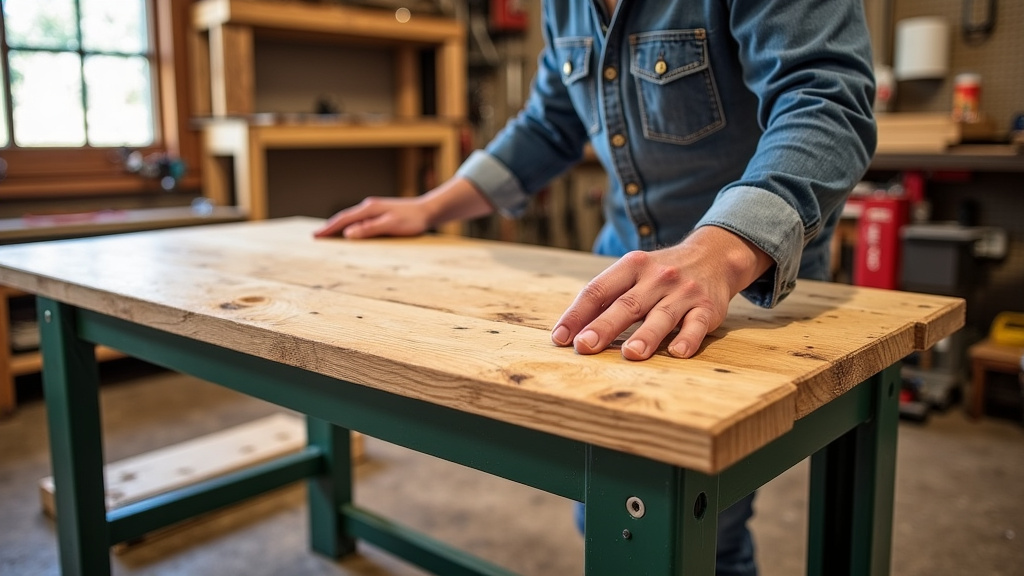
Selecting the right workbench dimensions is about creating a workspace that fits you and your tasks. We’ve seen that standard depths of 24-36 inches and widths of 48-72 inches offer a great starting point. Remember to also consider the ideal height, typically 30-36 inches, for your comfort. By honestly assessing your projects, available space, and future needs, you can confidently choose a workbench that will serve you well for years to come. Your next step is to measure your space carefully and then start looking for benches that meet those measurements.
Frequently Asked Questions
What’s the best workbench height for standing work?
For most people, a workbench height between 34 and 36 inches is ideal for comfortable standing work. This height allows you to maintain good posture without excessive stooping or reaching. You should be able to rest your forearms on the bench comfortably while standing upright.
Can I use a 24-inch deep workbench for woodworking?
A 24-inch deep workbench can work for some woodworking tasks, especially if space is limited. However, it might feel cramped for larger projects or when using tools like a vise. We found that a 30-inch depth offers a better balance for general woodworking needs.
How much space do I need around my workbench?
You should aim for at least 3 feet of clearance around your workbench. This allows you to move freely, access tools, and safely handle workpieces. More space is always better if your workshop allows for it.
Is an adjustable height workbench worth the extra cost?
An adjustable height workbench offers great flexibility if you or others use the bench for different tasks or have varying heights. While they cost more, the ergonomic benefits can be substantial, reducing strain and improving comfort over time.
What if my projects require more depth than a standard workbench offers?
If your projects consistently exceed standard workbench depths, you might consider a custom-built bench or a specialized workbench designed for larger items. Alternatively, you could plan to have a section of your workspace dedicated to larger items that extend beyond the bench’s edge.