Wall Mounted Workbench Depth: A Bench Guide
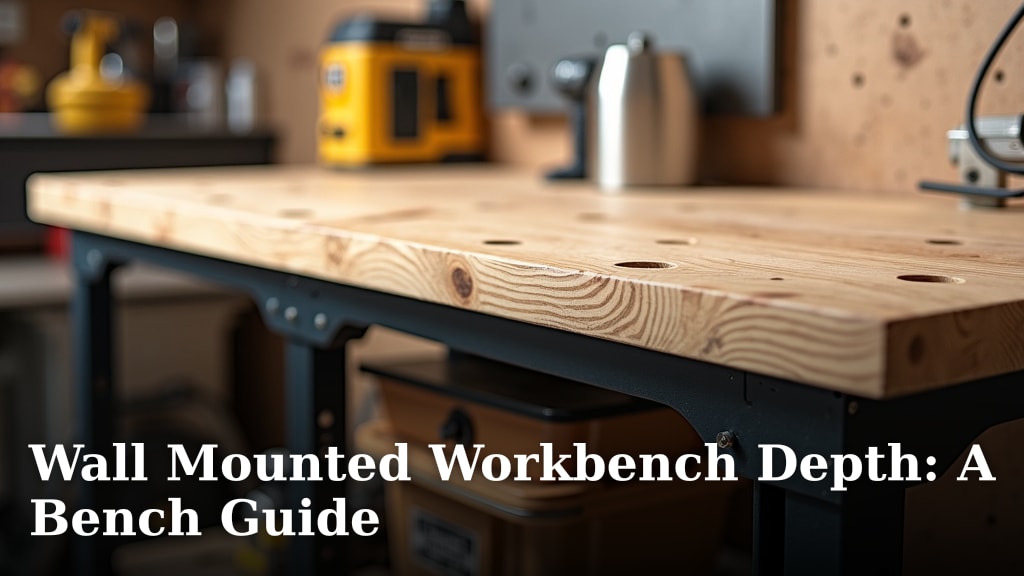
The ideal wall mounted workbench depth depends on your specific needs and available space, typically ranging from 12 to 30 inches. A shallower depth, around 12-18 inches, is great for tight spots or lighter tasks. Deeper benches, 24-30 inches, offer more workspace for heavier projects but require more room.
Choosing the right depth ensures your workbench is both functional and practical for your garage or workshop. Too shallow, and you might not have enough room for tools or materials. Too deep, and it could feel cramped or block pathways. We’ve researched common workbench dimensions to help you decide.
- Workbench depth varies widely.
- Consider your tasks and space.
- 12-18 inches is good for small spaces.
- 24-30 inches offers ample work area.
- Measure your area carefully first.
Let’s break down the different workbench depths and help you find the perfect fit for your DIY projects.
Choosing the Right Workbench Depth for Your Space
Selecting the correct workbench depth is key for a functional and comfortable workshop. It’s not just about having a surface; it’s about having the right size surface for your tasks. Think about how you’ll use the bench. Will you be assembling small electronics or tackling large woodworking projects? Your answer heavily influences the depth you need.
We’ve looked at what makes a workbench truly useful. The depth you choose affects how much space you have for tools, materials, and even your own body positioning. A bench that’s too shallow can be frustrating. A bench that’s too deep might get in the way. Let’s find that sweet spot for your workshop.
Understanding Standard Workbench Depths
Workbench depths can vary a lot, but most fall into a few common ranges. This makes it easier to find something that fits your needs. Most manufacturers offer standard sizes, which helps when you’re comparing options.
Shallow Depths (12 to 18 Inches)
These are your go-to for tight spaces. If your garage or workshop is on the smaller side, a shallow bench is a smart choice. You can still get a good amount of work done without sacrificing precious floor space. Many people use these for lighter tasks.
Think about a hobbyist who works on model airplanes or repairs small gadgets. They don’t need a huge surface. A bench around 12 to 18 inches deep provides enough room for their tools and parts. Plus, it won’t feel overwhelming in a smaller area.
Medium Depths (18 to 24 Inches)
This range offers a good balance. If you find shallow benches too limiting but don’t have a massive workshop, medium depth is often ideal. You get more workspace without taking over your entire garage.
These depths are great for general DIYers. You can spread out your tools a bit more. It’s also comfortable for tasks that require a bit more elbow room. Many common workbench kits come in this size range.
Deep Depths (24 to 30 Inches and Beyond)
For those who need serious surface area, deep benches are the answer. If your projects are large, like building furniture or working on car parts, you’ll appreciate the extra room. These benches can handle big jobs.
A 24 to 30-inch depth gives you space for large power tools, jigs, and your materials. It’s like having a personal construction site right in your workshop. Just make sure you have enough room to walk around it comfortably.
Factors Influencing Your Depth Choice
The best depth for your workbench isn’t just about the numbers; it’s about how it fits into your life and your space. Several factors play a role in this decision. Let’s break them down.
Available Space and Layout
This is perhaps the most critical factor. You need to measure your workshop area carefully. Don’t just guess. Use a tape measure to get exact dimensions. Think about the total footprint the workbench will occupy.
Consider not just the bench’s depth but also how much space you need to stand in front of it. Can you comfortably open drawers or doors nearby? Will it block pathways to other areas? A bench that’s too deep can make your space feel cramped and unusable.
Tip: Use painter’s tape on the floor to map out the dimensions of potential workbench depths. This gives you a visual representation and helps you “feel” how much space it will take.
Type of Projects You’ll Be Doing
What kinds of projects will you tackle on this bench? This question is a real projector for your needs. Are you assembling small electronic circuits, painting miniatures, or building birdhouses? Or are you breaking down large lumber, working on engine parts, or doing metal fabrication?
Smaller, precision tasks often don’t need much depth. You need enough space for your hands, a few tools, and the item itself. Larger projects, however, require more surface area. You might need room for clamps, jigs, and multiple pieces of material.
We found that many woodworkers prefer deeper benches, around 24 inches or more. This allows them to place tools like routers or sanders on the bench and still have plenty of room to work on their project. For electronics enthusiasts, 18 inches might be perfectly adequate.
Tool and Material Storage Needs
Will your workbench be a standalone surface, or will it also house storage? Many wall-mounted workbenches have options for drawers, cabinets, or pegboards. The depth of the bench can affect the type and size of storage you can integrate.
If you plan to mount tool chests or drawers under the bench, their depth is crucial. You don’t want drawers that stick out too far and become a tripping hazard. Conversely, if you want to store larger items on the bench itself, a deeper surface is beneficial.
Ergonomics and Comfort
Working at a workbench should be comfortable. The depth of the bench plays a role in your posture and how you position yourself. Some people prefer to stand closer to the bench, while others like to maintain a bit more distance.
A bench that is too deep might force you to lean over awkwardly. This can lead to back strain or fatigue. A shallow bench might make you feel too close to your work, limiting your movement. The goal is to find a depth that allows you to work comfortably for extended periods.
Comparing Workbench Depths: A Quick Look
To help you visualize, let’s put some common depths side-by-side. This table shows typical uses for different workbench depths.
| Workbench Depth (Inches) | Ideal For | Pros | Cons |
|---|---|---|---|
| 12 – 18 | Small spaces, light tasks, hobbyists | Space-saving, good for tight areas | Limited workspace, not ideal for large projects |
| 18 – 24 | General DIY, medium-sized projects, balanced needs | Good all-around size, ample workspace for most tasks | May still be too shallow for very large items |
| 24 – 30+ | Heavy-duty work, large projects, professional use | Maximal workspace, ideal for big jobs and multiple tools | Requires significant space, can feel bulky |
Making the Final Decision for Your Workshop
So, how do you choose the right depth? It often comes down to making a few smart decisions based on your circumstances. Don’t rush this part; it’s worth taking your time.
Here’s a quick checklist to guide you:
- Measure your available wall space accurately.
- List the 2-3 most common tasks you’ll do.
- Consider the largest item you might work on.
- Think about how much space you need to stand and move.
- Factor in any storage solutions you want.
- Visualize the workbench in your space.
By going through these steps, you’ll get a much clearer picture of what workbench depth will serve you best. It’s about creating a workspace that works *for* you, not against you. A well-chosen depth makes all the difference in your DIY enjoyment and productivity.
Conclusion
Choosing the right wall mounted workbench depth is key to a functional workshop. We found that depth choices usually fall between 12 and 30 inches, each serving different needs. A shallow bench is perfect for compact spaces and light hobbies. A deeper bench provides ample room for larger projects and heavy tools. Consider your available space, the types of projects you do, and your storage needs. Measure your area carefully and visualize the bench in place. Your next step is to grab your tape measure and start planning your ideal workspace based on these guidelines.
Frequently Asked Questions
What is the most common workbench depth?
The most common workbench depths tend to range from 18 to 24 inches. This range offers a good balance for many DIYers. It provides enough workspace for general tasks without being too bulky for average garages or workshops.
Can I use a workbench that’s too deep for my space?
Using a workbench that’s too deep can make your space feel cramped. It might also block pathways or make it difficult to open doors or drawers. We recommend measuring carefully and using painter’s tape to visualize the footprint before buying.
How does workbench depth affect tool storage?
The depth of your workbench can impact storage options. Deeper benches often accommodate larger drawers or cabinets underneath. If you plan to hang items on a pegboard behind the bench, a shallower depth might be better to keep tools within easy reach.
Is a deeper workbench better for woodworking?
Yes, many woodworkers prefer deeper workbenches, often 24 inches or more. This extra depth allows for larger power tools like routers or sanders to be set up on the bench. You’ll also have more room for lumber, clamps, and project pieces.
What if I have very limited wall space?
If your wall space is very limited, consider a shallower depth, perhaps 12 to 18 inches. These benches are excellent for tight spots and won’t overpower the area. They are perfectly suitable for hobbies, electronics repair, or light assembly tasks.