What Is a Flip Top Workbench? The Details

A flip top workbench is a versatile piece of workshop furniture that lets you hide away a large tool, like a table saw, when you’re not using it. It essentially acts as a mobile base that flips the tool upside down and stores it under the workbench surface. This clever design helps you maximize your workshop space and keep things tidy. Many users find this a game-changer for smaller shops.
Think of it as a magician’s trick for your tools. You can have a full-sized workbench for assembly and other projects, then with a few simple steps, your table saw is out of sight. This design is popular because it provides two functional setups in one footprint. It’s a smart way to handle tools that are often bulky and take up a lot of precious floor space when not in use. Many woodworking projects benefit from a clear, open floor area.
TL;DR:
- A flip top workbench hides large tools under the surface.
- It flips the tool upside down for storage.
- This saves a lot of workshop space.
- It gives you a functional workbench and hidden tool in one.
Ready to see how this space-saving marvel actually works? Let’s dive into the details of what makes a flip top workbench so handy for your projects.
Here is the main body content for your blog post:Understanding Your Flip Top Workbench
A flip top workbench is a clever solution for workshops of all sizes. It’s designed to make the most of your available space. Think of it as a dual-purpose furniture piece. It provides a stable workbench surface. It also neatly stores a larger tool underneath, usually a table saw. This keeps your workshop floor clear for other tasks. Many DIYers find this setup incredibly useful for their projects. A flip top workbench is a clever solution for workshops of all sizes, similar to a garage workbench.
How the Flip Top Mechanism Works
The core of a flip top workbench is its pivoting mechanism. This system allows you to securely mount a tool, like a table saw, upside down beneath the workbench top. When you need to use the tool, you release a locking system. Then, you simply rotate the platform the tool is mounted on. The tool flips over and becomes accessible on top of the workbench. When you’re done, you reverse the process. The tool flips back under the bench and is stored out of sight.
The Locking and Support System
Safety is key with any workbench, especially one that moves. Flip top workbenches use robust locking mechanisms. These ensure the platform stays firmly in place, whether the tool is stored or in use. You’ll often find heavy-duty hinges or pivot points. These are built to handle the weight and stress of the tool. Support legs or braces are also critical. They provide stability when the tool is in its working position. We found that well-designed locks make the transition smooth and secure.
Materials and Construction
These workbenches are typically built from sturdy materials. Plywood and solid wood are common choices for the main structure. Metal components are used for the pivot system and hardware. The goal is to create a strong, stable unit. It needs to support both the workbench tasks and the weight of the tool. The quality of the construction directly impacts the longevity and safety of the workbench. Many users opt for thicker plywood for added durability.
Benefits of a Flip Top Workbench
The advantages of a flip top workbench are numerous. They primarily focus on space-saving and workshop organization. This can dramatically improve your working environment. You’ll find it easier to move around and manage your projects.
Maximizing Workshop Space
This is the biggest selling point. A flip top workbench effectively hides bulky tools. Tools like table saws or band saws can take up a lot of floor space. By storing them under the workbench, you regain that valuable area. This is especially helpful for hobbyists working in garages or basements. Having a clear floor allows for more comfortable project work. It also improves safety by reducing trip hazards.
Dual Functionality
You get two distinct workspaces in one footprint. You have a full workbench for tasks like assembly, sanding, or finishing. Then, you have a dedicated spot for your larger tools when they are needed. This means you don’t have to sacrifice workbench space for tool storage, or vice versa. It’s like having a workshop that can change its layout on demand. We found this adaptability is highly appreciated by users with limited space.
Improved Organization and Tidiness
A flip top workbench helps keep your workshop neat. Tools are stored away when not in use. This reduces clutter and makes your workspace look much cleaner. When tools are out of sight, it’s easier to maintain a tidy environment. This can lead to a more pleasant and productive working experience. Many users report feeling more motivated in an organized shop.
Enhanced Safety Features
When a large tool is stored under the workbench, it’s less likely to be bumped or knocked over. The locking mechanisms also ensure the tool is stable when in use. This reduces the risk of accidents. A stable platform for your tools is always a good thing. It’s important to follow the manufacturer’s instructions for safe operation. We found that secure locking is a non-negotiable feature.
Key Components and Considerations
When looking at flip top workbenches, several components are important. Understanding these will help you choose the right one. It also helps you understand what makes them work effectively.
The Cabinet or Base Structure
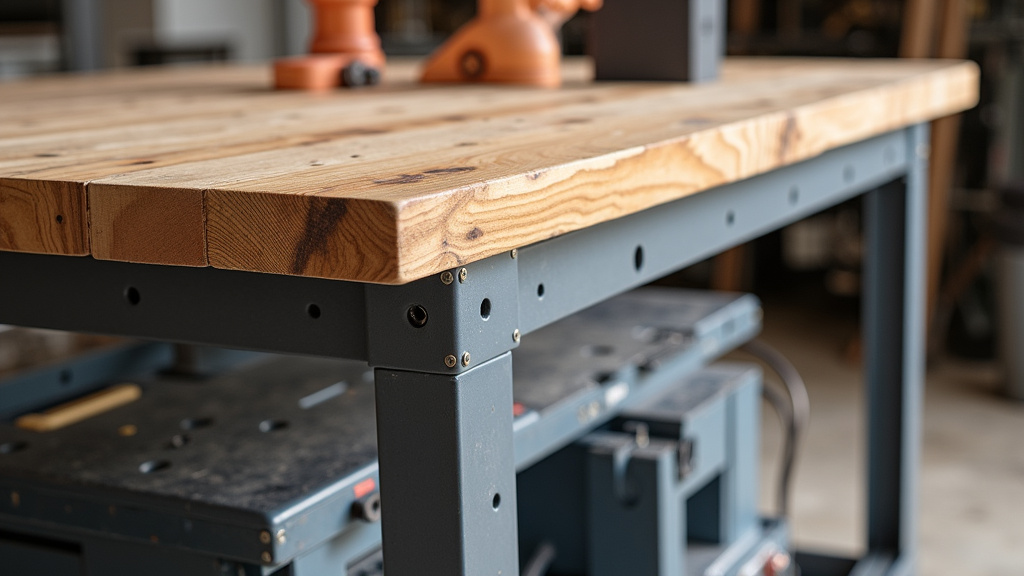
This is the main body of the workbench. It houses the tool when it’s stored. The cabinet needs to be strong and stable. It provides the primary support for the workbench top and the pivoting mechanism. Many designs include storage shelves or drawers within the cabinet. This adds extra utility for your tools and supplies. A well-built cabinet prevents shaking and vibration during use.
The Pivoting Platform (or Jig)
This is the part that holds your tool. It’s designed to rotate within the cabinet. The platform needs to be perfectly level and square. This ensures your tool is aligned correctly when it flips into position. Many users build their own custom jigs for their specific tools. This allows for a precise fit. The platform must be robust enough to handle the tool’s weight and any forces applied during operation.
The Locking Mechanisms
These are critical for safety and stability. They prevent the platform from moving unintentionally. Common types include cam locks, pin locks, or toggle clamps. You want a system that is easy to engage and disengage. It should also provide a very secure lock. Check that the locks are easy to reach and operate. We found that redundant locking systems add an extra layer of confidence.
The Workbench Top
The top surface of the workbench is usually made from durable material. Common options include thick plywood, MDF, or a laminate. It needs to withstand the rigors of woodworking. Some tops are designed with dog holes or bench dog systems. These help with clamping workpieces. The thickness of the top can affect overall stability. A heavier top often means a more stable workbench.
Mobility Options (Wheels and Casters)
Many flip top workbenches are designed to be mobile. They often come with heavy-duty casters. This allows you to move the entire unit around your shop. Look for casters that can lock in place. This is essential for stability when the tool is in use. Some designs use a combination of wheels and leveling feet. This allows for easy repositioning and then secure anchoring. Make sure the casters can handle the combined weight of the workbench and the tool.
Choosing and Using Your Flip Top Workbench
Deciding if a flip top workbench is right for you involves a few considerations. Once you have one, using it safely is paramount.
What Tools Can You Use?
The most common tool for a flip top workbench is a table saw. Its size and frequent use make it ideal for this setup. However, other tools can also work. This includes band saws, routers, or even drill presses. The key is that the tool can be mounted securely to a platform. It must also be able to pivot safely into position. Measure your tool carefully. Ensure it will fit within the dimensions of the workbench cabinet.
DIY vs. Pre-Built Options
You can find pre-built flip top workbench plans and kits online. Many woodworking enthusiasts build their own. Building one yourself allows for complete customization. You can tailor it to your specific tools and shop layout. It can also be a more cost-effective option. Pre-built units offer convenience. They are ready to assemble or use right out of the box. Whichever you choose, ensure it’s well-constructed and safe.
A Checklist for Your Flip Top Workbench Experience
Here’s a quick list to help you think about your flip top workbench:
- Is your tool the right size for a flip top design?
- Do you have enough space for the workbench itself?
- Are the locking mechanisms secure and easy to operate?
- Does the workbench offer good stability when in use?
- Are there mobility options if you need to move it?
- Is the construction sturdy enough for your needs?
Maintaining Your Flip Top Workbench
Regular maintenance ensures your workbench remains safe and functional. Periodically check all locking mechanisms. Make sure they are engaging properly and show no signs of wear. Inspect the pivot points and hinges for any signs of damage or rust. Lubricate moving parts as needed. Keep the workbench top clean and clear of debris. Ensure any wheels or casters are clean and functioning smoothly. A little care goes a long way in keeping your workbench reliable.
Conclusion
You’ve learned how a flip top workbench can transform your workshop. It’s a smart solution for anyone looking to save space and improve organization. By cleverly hiding bulky tools like table saws, you gain a functional workbench and a cleaner workspace. We’ve seen how the pivoting mechanism, sturdy construction, and reliable locking systems make this furniture practical. Consider your tool size and shop layout to determine if this dual-purpose design is right for you. If it is, take the next step and research plans or pre-built options that fit your needs. Your workshop will thank you for the added flexibility and order.
Frequently Asked Questions
Can any large tool be used with a flip top workbench?
While table saws are most common, other tools like band saws, routers, or drill presses can work. The key is that the tool can be securely mounted to a pivoting platform. You must also ensure it can flip safely into its working position. Always measure your tool to confirm it fits within the workbench dimensions.
What makes the locking mechanisms on a flip top workbench so important?
The locking mechanisms are vital for your safety and the workbench’s stability. They ensure the tool platform stays firmly in place, whether the tool is stored or in use. Reliable locks prevent accidental movement and potential accidents. We found that easy-to-operate yet secure locks are a must-have feature.
Is building a flip top workbench myself a good idea?
Building your own flip top workbench offers customization to fit your specific tools and shop. It can also be more budget-friendly than buying a pre-built unit. However, it requires woodworking skills and careful attention to detail. If convenience is a priority, pre-built options are readily available.
How do I ensure my flip top workbench is stable when in use?
Stability comes from robust construction, strong pivot points, and secure locking mechanisms. Ensure the workbench itself is sturdy and built with quality materials. If your unit has wheels, make sure they can be locked firmly in place. A heavier workbench top can also contribute to overall stability during operation.
What kind of maintenance does a flip top workbench require?
Regular checks are important for safety and longevity. Periodically inspect all locking mechanisms for wear and proper engagement. Examine pivot points and hinges for damage or rust. Lubricate moving parts as needed and keep the workbench top clean. Ensuring wheels or casters are clean and functioning smoothly also helps.