What Is a Potting Bench? The Simple Version
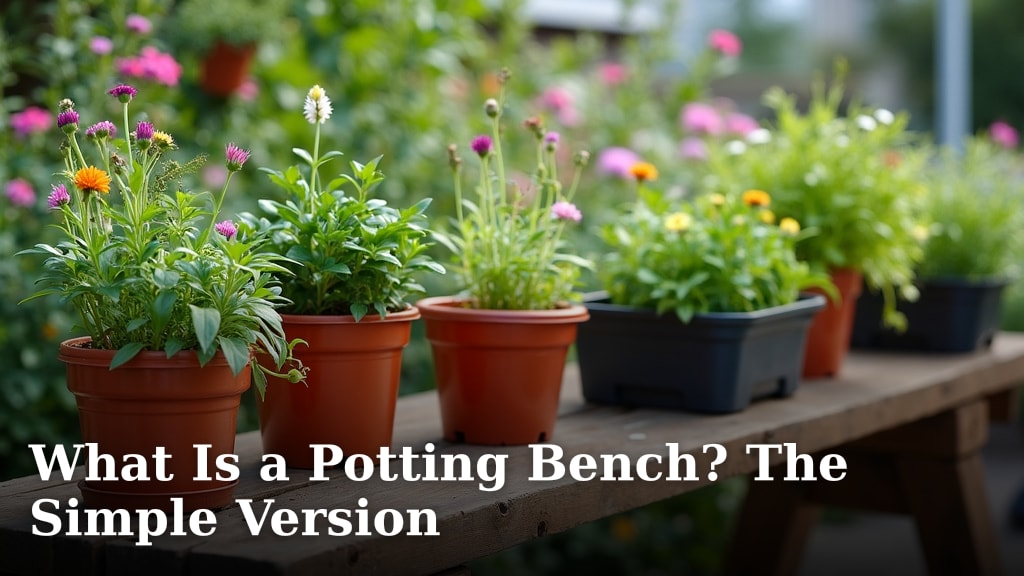
A potting bench is a sturdy, flat-surface workstation designed for gardening tasks. You use it to repot plants, store soil, and organize tools at a comfortable height. It’s essentially a sturdy table made specifically for handling plants and potting supplies.
Think of it as your gardening command center. We found that it helps keep your mess contained and your tools in one place. Many gardeners say it makes tasks like filling pots or starting seeds much easier on your back.
- What it is: A specialized outdoor table for planting and potting.
- What it does: Gives you a dedicated workspace for gardening jobs.
- Why it helps: Keeps your area tidy and saves you from bending over.
- Common features: Shelves, hooks, and a work surface.
- Who it’s for: Anyone who wants a neater, more organized garden routine.
Below, we break down everything you need to know about choosing and using a potting bench for your garden. Let’s walk through the simple details so you can see if it’s right for you.
Understanding the Potting Bench: A Practical Overview
A potting bench is a dedicated table that brings your gardening work up to waist height. You use it as a solid base for all your planting chores. The primary goal is to make your work easier and more organized.
The Real Benefits of Using a Potting Bench
The main advantage is comfort. Bending over for long periods can strain your back and knees. A potting bench lets you work standing up, which is much better for your body. We found that this simple change can make gardening sessions last longer and feel more enjoyable.
It also contains the mess. Potting soil is messy stuff. With a bench, you can spill, mix, and fill pots without tracking dirt all over your patio or deck. Cleanup becomes a breeze—just brush the surface or hose it off.
More Than Just a Table: Key Functional Benefits
Think of it as your outdoor workbench. It holds everything you need in one spot. You won’t waste time searching for trowels or labels. Many gardeners say this organization is a game-changer for their routine.
- Ergonomic Comfort: Protects your back by reducing bending and kneeling.
- Mess Containment: Keeps soil, water, and debris in one manageable area.
- Tool Organization: Provides a home for your most-used tools and supplies.
- Improved Efficiency: All your materials are at hand, speeding up your work.
Common Features You’ll Find on a Potting Bench
Most potting benches are more than a flat top. They are designed with gardeners in mind. A typical model has a solid work surface, often with a lip to catch spills. Below, you’ll usually find one or two shelves for storing bags of soil or larger pots.
Many include hooks or pegs for hanging hand tools. Some have a built-in sink or a removable basin for water. Others have a hinged lid that opens to reveal a hidden storage compartment. These features help turn a simple table into a true workstation.
Anatomy of an Effective Potting Bench
Let’s break down the parts. The work surface is the star. It should be wide and deep enough for your biggest pot. The lower shelves offer storage. Side hooks keep your tools visible and within reach. A backboard might hold small pots or a bag of fertilizer.
Material Matters: Choosing a Durable Build
Potting benches are made from different materials. Your choice affects durability, price, and style. Here’s a simple comparison.
| Material | Pros | Cons |
|---|---|---|
| Wood (Cedar, Redwood, Pine) | Attractive, classic look. Naturally resistant to rot (cedar/redwood). | Can require sealing. Heavier to move. May warp over time. |
| Metal (Steel, Aluminum) | Very sturdy and strong. Often has a industrial look. Can be lightweight (aluminum). | Can rust if finish chips. May get hot or cold in sun. Can feel utilitarian. |
| Plastic/Resin | Lightweight. Easy to clean. Won’t rot or rust. Affordable. | Can be less sturdy. May fade in direct sun. Feels less substantial. |
How to Use Your Potting Bench Effectively
Start with a clean surface. Use a plastic tray to hold pots while you fill them. This contains the biggest spills. Keep a small trash can or bucket underneath for discarded roots and debris.
We found that a simple routine helps. After each use, sweep the top and put tools back on their hooks. This takes just two minutes and keeps everything ready for your next project. Your future self will thank you.
A Simple Workflow for Potting Day
Follow these steps for a smooth session. First, gather all your materials—pots, soil, plants, and tools. Place them on the bench. Next, fill your pots. Then, plant your seedlings. Finally, water gently and label everything.
Pro Tips for a Tidy Workspace
Line your shelves with old trays or mats to catch drips. Use mason jars to hold small items like twine and plant tags. A magnetic strip on the side is perfect for holding metal tools. These little hacks maximize your bench’s utility.
Making the Right Choice for Your Garden
Not every gardener needs the most elaborate bench. Your choice should fit your space and your gardening style. A large property might need a heavy-duty, permanent bench. A small balcony might call for a compact, fold-down model.
Consider where you will put it. Does it need to withstand rain and snow? Will you leave it out year-round? The answers will guide you toward the right material and size. Remember, the best potting bench is the one you’ll actually use.
Key Factors in Your Decision
Ask yourself these questions. How much space do you have? What is your budget? Do you need storage or just a flat surface? Will it be exposed to the elements? Your answers will narrow down the options quickly.
Your Potting Bench Buying Checklist
Before you buy, run through this short list. It will help ensure you get a bench that works for you.
- Size and Footprint: Measure your space. Ensure the bench will fit with room to move around it.
- Material and Durability: Choose a material that matches your climate and desired maintenance level.
- Storage Needs: Decide if you need shelves, drawers, or hooks for your tools and supplies.
- Work Surface: Check that it’s large enough for your typical pots and projects.
- Additional Features: Consider if a sink, backboard, or cover would be useful for you.
- Ease of Assembly: Look at reviews. See if others found it easy to put together.
Organizing Your Bench for Maximum Utility
A cluttered bench defeats its purpose. Think about the frequency of use. Keep daily tools like trowels and pruners on the hooks. Store bags of soil and fertilizer on the bottom shelves. Place smaller items like plant ties and labels in a caddy on the top.
We found that grouping similar items together saves time. Have one zone for potting and another for seed starting. A little organization upfront pays off during busy planting seasons.
Storage Solutions That Make Sense
Use clear containers so you can see what’s inside. Label everything. Hang a small board with nails for hanging hand tools. A simple pegboard can be customized to hold almost any tool you own.
Keeping Your Potting Bench in Good Shape
A little maintenance goes a long way. For wood benches, apply a water-resistant sealant annually. This prevents rot and extends its life. Wipe down metal benches to prevent rust spots.
At the end of the season, give it a thorough cleaning. Sweep away all soil and debris. Store cushions or fabrics indoors if possible. Covering the bench during harsh winters can protect it from the worst weather.
Seasonal Care Tips
Spring is for inspection. Check for any loose screws or parts. Summer means regular wipe-downs. Fall is for a deep clean and storage prep. This simple cycle keeps your bench reliable for years.
Alternatives and Workarounds
You don’t need to buy a purpose-built potting bench to get the benefits. A sturdy outdoor table can work as a temporary solution. A waist-high deck railing can serve as a makeshift bench for small jobs.
A potting station can even be built into a garden wall or potting shed. The core idea is creating a comfortable, dedicated space. Any stable surface that brings the work to you will help.
Conclusion
A potting bench is a practical workstation that simplifies gardening tasks. It brings your work to waist height, reducing back strain and keeping mess contained. With features like shelves and hooks, it organizes tools and supplies for efficient use. Your next step is to measure your space, consider your gardening needs, and choose a bench that fits. Start by picking a simple, durable option that will make your routine easier and more enjoyable.
Frequently Asked Questions
Do I need a potting bench if I only have a few plants?
Not always. A potting bench is most useful for frequent gardening tasks or larger plant collections. For a few plants, a sturdy table can serve as a temporary solution. We found that it’s about your comfort and how often you