What Is a Standing Height Workbench? Start Here
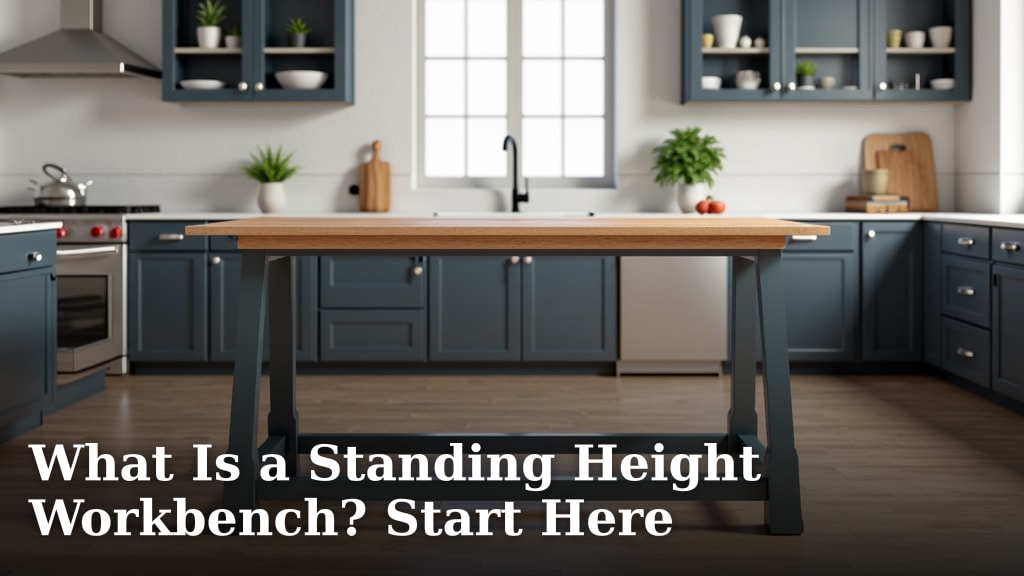
A standing height workbench is a sturdy work surface designed to be used while you are standing. It offers a convenient and ergonomic setup for various tasks, from DIY projects to professional trades. This type of workbench allows you to work comfortably without needing to sit or bend over for long periods.
These workbenches come in many designs, from simple benches to advanced models with built-in storage. They are built to be durable and stable, supporting heavy loads and frequent use. Many people find them essential for improving their workflow and reducing physical strain during their work.
- A standing height workbench is a work surface used while standing.
- It promotes better posture and comfort for tasks.
- They are built for durability and can hold heavy items.
- Available in various styles for different needs and spaces.
- Helps make work more comfortable and efficient.
Let’s take a closer look at what makes a standing height workbench so useful and what you should consider when choosing one.
Understanding the Standing Height Workbench
A standing height workbench is a specialized piece of equipment. Its primary purpose is to provide a stable and comfortable work surface at a height suitable for standing. Think of it as your trusty station for all sorts of hands-on tasks. We found that this design is not just a trend; it’s rooted in a desire for better ergonomics and workflow efficiency.
What Exactly Defines a Standing Workbench?
At its core, a standing height workbench is a sturdy table. It’s built higher than a standard desk or kitchen counter. This allows you to perform tasks without needing to bend over or strain your back. Many are constructed with strong materials like steel or heavy-duty wood. This ensures they can handle the weight of tools, equipment, and project materials. They are designed to be stable and wobble-free, which is essential for precision work.
The Ergonomic Advantage of Standing
Working while standing can offer several health benefits. Many health organizations suggest that alternating between sitting and standing can be good for your posture. Prolonged sitting is often linked to back pain and stiffness. A standing workbench helps you break free from that. It encourages you to engage your core and maintain a more natural spinal alignment. We found that even a few hours of standing work can make a noticeable difference in how you feel at the end of the day.
Consider the common office worker. They might spend hours sitting. Then they might tackle a home project. If they spend that project hunched over a low table, they’re just doubling down on poor posture. A standing workbench offers a chance to switch gears. It’s about giving your body a better position to work from. This can reduce fatigue and muscle strain. Studies often point to reduced discomfort as a key benefit of adjustable workstations (Cleveland Clinic).
Key Features to Look For
When you’re shopping for a standing height workbench, you’ll notice a variety of features. Not all benches are created equal. Understanding these features will help you pick the one that best suits your needs. It’s about matching the bench to your workspace and your tasks.
Construction Materials and Durability
The materials used will greatly impact the workbench’s durability and stability. Common options include:
- Steel: Excellent for strength and longevity. Often found in industrial settings.
- Wood (Hardwood, Plywood): Offers a classic look and good durability. Can be more prone to scratches or dents than steel.
- Laminate/Composite: Often used for the work surface itself. Durable and easy to clean.
Work Surface Size and Thickness
The size of the work surface is critical. How much space do you need for your projects? Do you work with large items? Think about the biggest thing you might place on the bench. You also need to consider the thickness of the work surface. A thicker top is generally stronger and more resistant to warping or damage. We’ve seen many DIYers regret choosing a bench with a surface that was too thin for their needs.
Weight Capacity
This is a big one. How much weight can the workbench support? This is often listed as a static weight capacity. It’s the maximum load the bench can hold when stationary. Some benches also have a dynamic weight capacity, which is lower. This refers to the weight it can handle while being adjusted or moved. For heavy-duty tasks, look for benches with a high weight capacity, often 1000 pounds or more. This ensures it can safely handle your tools and materials (Occupational Safety and Health Administration).
Stability and Leveling Features
A wobbly workbench is not just annoying; it can be dangerous. Ensure the bench has a sturdy frame and legs. Many good standing workbenches include adjustable leveling feet. These allow you to compensate for uneven floors. This is a simple feature, but it makes a world of difference in stability. You want your bench to feel like it’s part of the floor.
Adjustability and Height Range
While the term “standing height” implies a fixed height, many modern standing workbenches are adjustable. Adjustable height workbenches offer the most flexibility. They allow you to find the perfect ergonomic height for standing. Some even go low enough to be used while sitting. This versatility can be a huge advantage. Manual crank adjustments are common, as are electric motor options. Electric adjustments are faster and easier. They make it simple to change heights throughout the day.
Types of Standing Height Workbenches
The market offers several types of standing workbenches, each with its own strengths. Your choice will depend on your budget, space, and how you plan to use it.
Fixed Height Standing Workbenches
These are the most straightforward. They are built at a specific height, usually around 36 inches (standard counter height) or higher. They are often the most affordable option. They are also typically very robust due to their simpler design. If you know your ideal standing height and don’t need flexibility, a fixed height bench can be a great choice.
Adjustable Height Workbenches (Manual and Electric)
These offer more customization.
- Manual Crank: You turn a crank to raise or lower the surface. It’s effective but can take some effort.
- Electric: These use motors to adjust the height. They are the easiest to use but also the most expensive.
Mobile Workbenches
Some standing workbenches come with wheels or casters. This allows you to easily move the workbench around your garage or workshop. Many mobile options also feature a sturdy locking mechanism for the wheels. This ensures the bench stays put when you’re working. This can be incredibly useful if you have a dynamic workspace or need to clear the area for other tasks.

Who Benefits from a Standing Workbench?
Plenty of people can find a standing workbench useful. It’s not just for professional mechanics or woodworkers.
DIY Enthusiasts and Hobbyists
If you love tackling home improvement projects or engaging in hobbies like model building, electronics, or crafts, a standing workbench can make the experience much more comfortable. You can work on projects for longer periods without discomfort. It also provides a stable and organized surface for your tools and materials. We found that even small craft projects benefit from a dedicated, properly-heighted workspace.
Tradespeople and Professionals
For mechanics, electricians, plumbers, and assembly line workers, a standing workbench is often a standard piece of equipment. It’s crucial for tasks that require precision and endurance. The ergonomic benefits can lead to increased productivity and reduced risk of work-related injuries. Many professional environments mandate ergonomic solutions (National Institute for Occupational Safety and Health).
Home Offices and Craft Rooms
Even in a home setting, a standing workbench can be a great addition. It can serve as a secondary workstation for tasks that are too messy or involved for a standard desk. Think about unboxing electronics, sorting mail, or doing repairs. It offers a durable surface that you don’t have to worry about damaging.
Choosing the Right Standing Workbench for You
Selecting the ideal standing workbench involves considering a few key factors. It’s about finding the best fit for your specific situation.
Here’s a quick checklist to help you decide:
- Measure your space: Ensure the workbench will fit comfortably.
- Determine your primary use: What kind of tasks will you be doing?
- Set a budget: Prices vary widely based on features and materials.
- Consider weight capacity needs: How heavy are your tools and projects?
- Think about adjustability: Do you need to change heights often?
- Check for stability features: Leveling feet are a must.
By carefully evaluating these points, you can confidently choose a standing height workbench that will serve you well for years to come.
Conclusion
You’ve learned that a standing height workbench is more than just a tall table. It’s a tool for better health and efficiency in your projects. By offering an ergonomic workspace, it helps reduce strain and fatigue. You can choose from fixed or adjustable models, made from durable materials built to last. Consider your space and your typical tasks carefully. Taking the time to select the right workbench will ensure it supports your work and comfort for years to come. Start by measuring your workspace and thinking about the types of projects you tackle most often.
Frequently Asked Questions
What is the standard height for a standing workbench?
The standard height for a standing workbench is often around 36 inches, similar to kitchen counters. However, many models are adjustable, allowing you to find the perfect height for your specific needs and tasks. We found that adjustability offers the most ergonomic flexibility.
Can a standing workbench be used for sitting tasks too?
Yes, many adjustable standing workbenches can be lowered to a comfortable height for sitting. This dual functionality makes them very versatile. You can easily switch between sitting and standing throughout your workday or project session.
Are standing workbenches stable enough for heavy-duty work?
A well-constructed standing workbench should be very stable, even for heavy-duty tasks. Look for features like sturdy steel frames and adjustable leveling feet to ensure it remains wobble-free. We’ve researched that high weight capacities, often over 1000 pounds, are common for robust models.
How do I choose the right size work surface?
Consider the largest items or projects you typically work on. You’ll want enough space to spread out tools and materials comfortably. Measure your available space and imagine your workflow on the bench. A slightly larger surface is often better than one that feels cramped.
Are electric adjustable standing workbenches worth the extra cost?
Electric adjustable workbenches offer the most convenience, making height adjustments quick and easy. If you plan to switch between sitting and standing frequently, or if you find manual adjustments difficult, they can be a worthwhile investment. We found that the ease of use can significantly improve workflow for many users.