Workbench Overhang for Clamping: What Actually Works
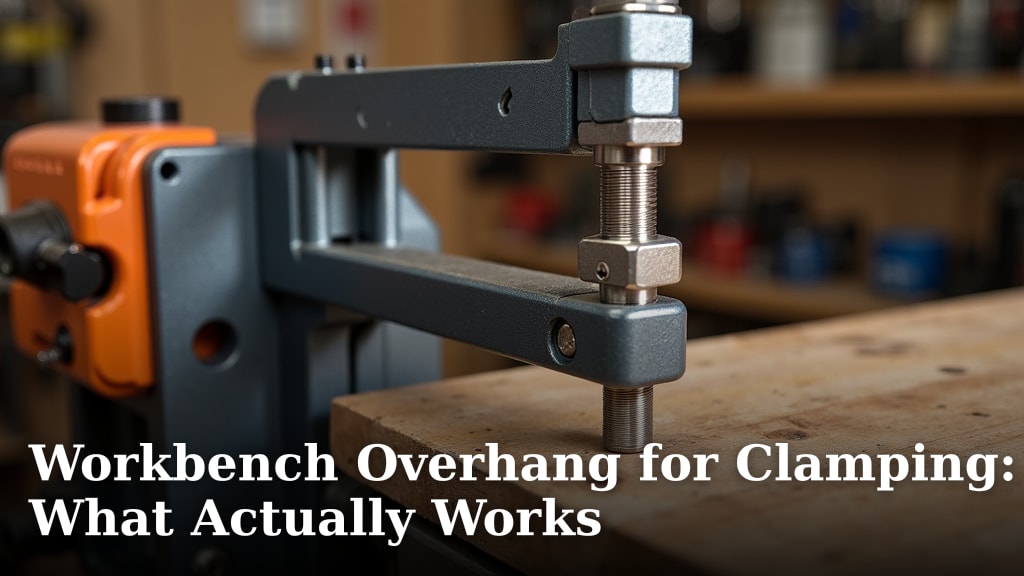
Yes, a workbench overhang can be very effective for clamping, as long as you have the right setup. This means having enough space to get your clamps in and around your workpiece. You need to consider the depth of your workbench and where your legroom is. A good overhang makes it much easier to secure projects without awkward angles or needing specialized vises.
Many woodworkers find that even a small overhang can make a big difference. It provides a crucial bit of clearance for many common clamping tasks. We’ve found that understanding how much overhang you actually need depends on the types of projects you typically tackle. It’s a practical feature that many DIYers overlook until they’re struggling with a clamp.
- A workbench overhang offers space for clamps.
- Consider your project types and workbench depth.
- Legroom can affect how useful an overhang is.
- It simplifies many common clamping challenges.
Let’s look at what actually works and how you can best utilize your workbench overhang for clamping. A workbench overhang offers space for clamps, and a garage workbench guide can help you understand its benefits.
Making Your Workbench Work Better for Clamping
A workbench overhang can be a real game-changer for your clamping needs. It gives you the clearance you need for many projects. You won’t have to fight with your clamps as much. We found that this simple design feature can save you a lot of frustration. It’s all about having the right space to secure your workpieces effectively.
What Exactly is a Workbench Overhang?
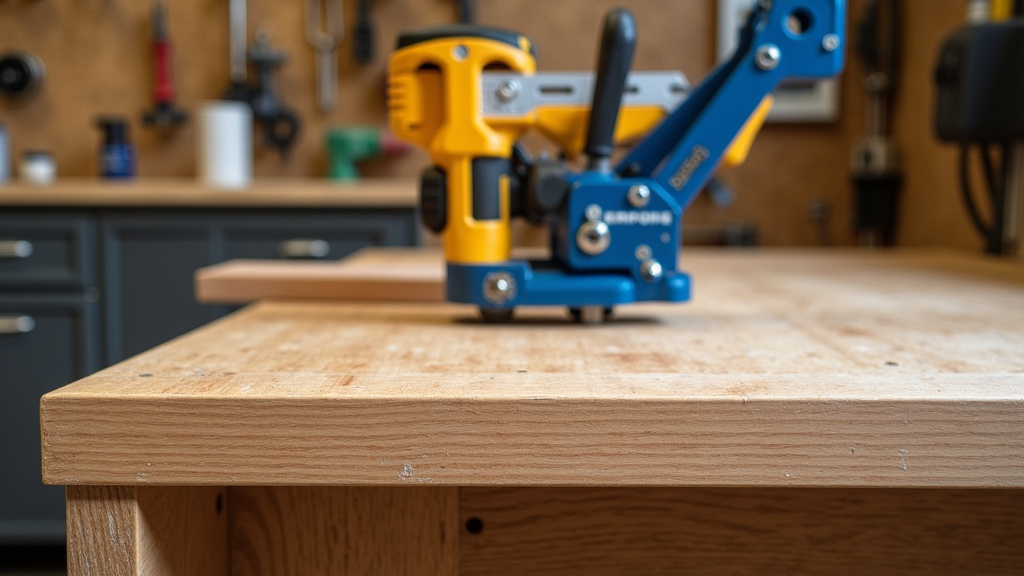
Think of the overhang as the part of your workbench that sticks out beyond the legs or supporting structure. It’s the edge that doesn’t have anything directly underneath it. This space is key for clamping. It allows your clamps to reach around and grip your project without hitting the workbench legs or base. Without it, you might only be able to clamp the very edge of your material.
Many common workbench designs have a small overhang built-in. This is often just an inch or two. But even this little bit can make a difference. For more involved clamping tasks, a larger overhang is definitely better. We’ve seen setups with overhangs of 4 inches or more, and they make certain operations much easier.
Why an Overhang is Great for Clamping
The main reason an overhang helps with clamping is simple: access. Clamps need space to wrap around your workpiece. If your workbench has a solid apron or legs right at the edge, your clamps can’t get a good grip. You end up with the clamp jaws hitting the workbench structure before they can properly secure your project. This means your workpiece might shift or not be held as firmly as you’d like.
A good overhang lets you position your clamps where you need them. This is especially true when you’re working with materials that are thicker than the workbench top itself. You can get the clamp body further under the bench and still have the jaws firmly on your work. This allows for more stable and secure clamping, which is essential for accurate woodworking and assembly.
Clearance for Different Clamp Types
Different clamps have different dimensions. F-style clamps, pipe clamps, and C-clamps all have varying depths. A small overhang might work for some C-clamps. But for longer pipe clamps or larger F-clamps, you need more room. An overhang ensures that the entire clamp body can fit without obstruction. This lets you use the full reach of your clamps.
Working with Thicker Materials
When you’re gluing up panels or assembling thicker projects, the material itself will extend past the edge of the bench. Without an overhang, the clamps you use to hold these pieces together might hit the workbench legs. This forces you to use awkward positioning or multiple clamps in a less effective way. An overhang lets you clamp more directly and securely.
How Much Overhang Do You Actually Need?
The amount of overhang you need depends heavily on what you build and the types of clamps you use most often. This is where personalization comes in. We found that most general woodworking tasks are manageable with about 2-4 inches of overhang. If you frequently work with large or bulky items, you might wish for even more.
Considering Your Project Types
Let’s break this down by common workshop activities. If you mostly do small craft projects, even a minimal overhang might suffice. For furniture building, especially with larger pieces, a more generous overhang becomes increasingly useful. Think about your typical projects. Do they extend far beyond the workbench edge? Do you often need to clamp pieces together that are thicker than the workbench top?
Legroom and Workbench Depth
It’s not just about the overhang itself. You also need to consider your own comfort and workspace. If your workbench has a deep apron or large legs that are set far in, they can interfere with your legroom. This can make it hard to stand comfortably at the bench. Sometimes, a deep workbench structure means you need more overhang to compensate for the reduced usable space in front of the bench.
We found that a balance is key. You want enough overhang for clamping without making it difficult to use the bench for other tasks. A workbench depth of around 24-36 inches is common. The overhang then sits on top of this. So, if you have a 28-inch deep bench and a 4-inch overhang, your clamping surface extends 4 inches past the main support structure.
Designing for a Workbench Overhang
If you’re building a new workbench, adding an overhang is quite straightforward. Most plans incorporate some level of overhang by design. The front legs and apron are often set back slightly from the front edge of the workbench top. This creates that essential gap.
Overhang in Standard Workbench Plans
Many popular workbench designs, like the Roubo or Nicholson style, have built-in overhangs. These are often 2 to 4 inches. This is a good starting point for most DIYers. These designs have been refined over time by experienced woodworkers. They offer a good balance of clamping accessibility and overall stability.
Adding an Overhang to an Existing Bench
Can you add an overhang to a workbench that doesn’t have one? It’s more challenging but sometimes possible. You might be able to extend the workbench top forward. This requires careful measurement and potentially reinforcing the existing structure. However, for most people, it’s simpler to plan for it in a new build or adjust clamping techniques for their current setup.
Practical Clamping Techniques with an Overhang
Once you have a workbench with an overhang, how do you best use it? It’s about thinking strategically about where your clamps go. You can place clamps along the front edge, securing pieces that run the full length of the bench. You can also clamp items positioned at the end of the bench, extending past the front edge.
Using the Front Edge Effectively
When your workpiece is placed along the front edge, the overhang allows your clamps to grip both the workpiece and the workbench top. This is great for tasks like edge-joining boards or attaching small parts to a larger panel. You can position clamps on the sides of the workpiece, with the clamp pads resting on the bench surface.
Securing Pieces That Extend Past the Edge
This is where a good overhang truly shines. Imagine you have a long board you’re working on, and only a portion of it is on the workbench. If this portion is near the front edge, the overhang gives your clamps the space needed to hold it down. Without it, you might not be able to clamp that section at all. This allows for more flexible project layout.
Common Clamping Challenges Solved by an Overhang
Let’s face it, clamping can be tricky. An overhang helps solve a few common headaches. It makes it easier to clamp things that are awkwardly shaped or positioned. It also helps when you need to apply significant clamping pressure without the clamp itself being in the way.
When Clamps Just Won’t Fit
We’ve all been there: trying to force a clamp into a tight spot. An overhang provides that much-needed breathing room. It means you don’t have to compromise on clamp placement. You can get clamps where they are most effective. This leads to better, stronger joints.
Achieving Even Clamping Pressure
Sometimes, you need to apply pressure from multiple sides. An overhang allows you to place clamps around the entire perimeter of your workpiece if needed. This ensures even pressure distribution. It helps prevent warping or shifting during the gluing process. A well-clamped project starts with the right setup.
Types of Clamps That Benefit Most
While most clamps can benefit from an overhang, some types see a bigger improvement. Long bar clamps and pipe clamps are prime examples. Their length means they have a significant body that needs clearance. Even larger C-clamps can have handles or frames that extend back.
Long Bar and Pipe Clamps
These clamps are often used for larger projects or assemblies. Their long reach is their strength. However, this length also means they need substantial clearance. An overhang allows the entire length of the clamp to be positioned without obstruction. You can get them snug against your workpiece without hitting the workbench legs.
Hand Screw Clamps and Parallel Clamps
These clamps offer precise pressure. They also tend to have a larger physical presence. Hand screw clamps, with their screw mechanisms, can take up space. Parallel clamps often have substantial jaws and bodies. An overhang ensures you can position these clamps effectively, even on projects that sit near the workbench edge.
What to Look For in Workbench Design for Clamping
When choosing or designing a workbench with clamping in mind, look for a few key features. An accessible front edge is paramount. You want to be able to get your clamps in easily. Consider the height of your workbench too. This affects your posture and how easily you can manipulate clamps.
Generous Overhang is Often Better
While a small overhang is better than none, more is often better for clamping. Aim for at least 2-4 inches. If your typical projects are large, consider 6 inches or more. It’s a feature that’s hard to add later, so plan for it upfront if possible. We found that woodworkers who frequently use bench vises and dog holes often benefit from a larger overhang.
Clearance Underneath the Overhang
It’s not just the horizontal overhang. You also need vertical clearance. Make sure there are no aprons or support structures directly under the overhang that would block clamp movement. This clear space allows clamps to slide in and out freely.
Checklist: Maximizing Your Workbench Clamping
To make sure your workbench is ready for any clamping job, consider these points:
- Ensure your workbench has a noticeable overhang.
- Check that the front edge is clear of obstructions.
- Think about the typical size of your projects.
- Consider the types and sizes of clamps you use most.
- Is there enough space for your legs to get close to the bench?
- Can you easily position clamps on the front and sides of your work?
Conclusion
You’ve seen how a workbench overhang can dramatically improve your clamping experience. It’s not just about a little extra space; it’s about creating a more functional workspace. This simple design feature provides the essential clearance needed for most clamps to grip your workpieces securely. By understanding how much overhang works for your typical projects and clamp types, you can avoid frustration and achieve better results. If you’re building a new bench, plan for it. If you have an existing bench, assess how you can work around its limitations.
Your next step should be to measure your current workbench’s overhang and compare it to your common clamping needs. This will tell you if it’s time for an upgrade or if you just need to adjust your technique.
Frequently Asked Questions
How much overhang is too much for a workbench?
For most general woodworking, 2 to 4 inches of overhang is usually sufficient. If you regularly tackle very large projects or use exceptionally long clamps, you might prefer 6 inches or more. Too much overhang without proper support can make the bench top less stable.
Can I add an overhang to a workbench that doesn’t have one?
Adding a substantial overhang to an existing workbench can be challenging. It often requires reinforcing the bench top and its support structure. For many, it’s more practical to plan for it during a new workbench build.
What’s the difference between workbench depth and overhang?
Workbench depth refers to the total distance from the front edge to the back edge of the bench top. The overhang is the portion of that depth that extends past the workbench’s legs or supporting frame, providing clamping space.
Do dog holes affect how an overhang works for clamping?
Dog holes themselves don’t directly impact the overhang’s clamping function. However, a workbench designed with a good overhang often also incorporates dog holes along the front edge, making them more accessible for securing workpieces with holdfasts or bench dogs.
Is a front apron bad if I want to use my workbench overhang for clamping?
A thick or deep front apron can significantly reduce the effectiveness of your workbench overhang. It can block clamps from getting a good grip. Ideally, any apron under the overhang should be slim or set back to allow ample clearance for clamp jaws.