What Kind of Wood for a Workbench Top? A Simple Guide
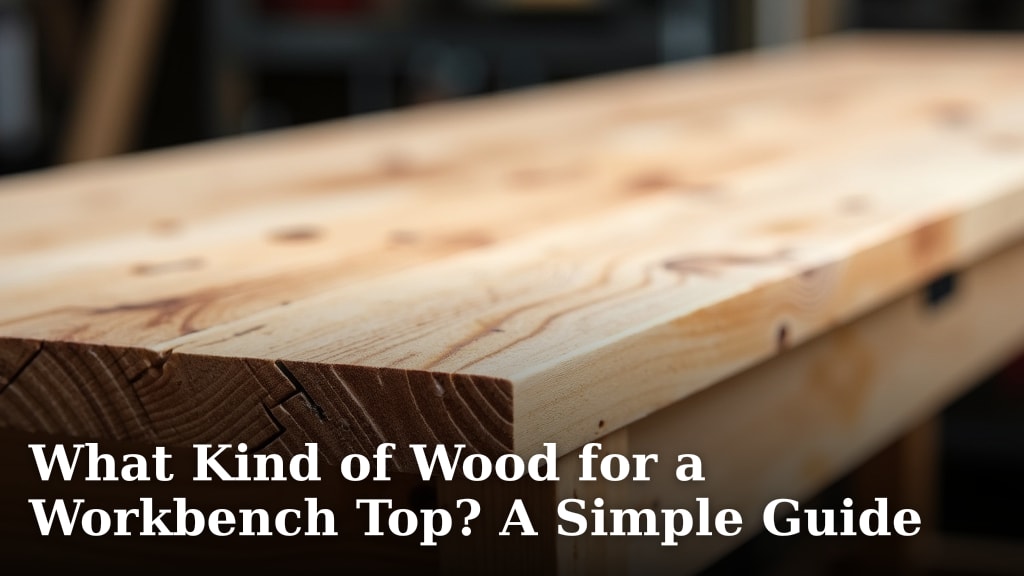
Choosing the right wood for your workbench top is all about finding a balance between durability, cost, and how well it handles everyday shop abuse. For most DIYers and woodworkers, a top made from hard maple or a sturdy softwood like fir offers excellent performance without breaking the bank. These woods provide a solid surface that can withstand hammering, clamping, and cutting. We found that many builders lean towards these options for their workbench projects.
Your workbench top needs to be a workhorse. It should handle spills, resist dents, and provide a stable surface for your projects. Many factors influence this choice, including the types of projects you tackle and your budget. Some woods are naturally harder and more resistant to damage. Others are softer but much easier on your tools. We will look at what makes each type a good or not-so-good fit for your workshop.
- Hard Maple: Very durable, smooth, and tough. A top choice for woodworking.
- Fir/Pine: Softer, less expensive. Easy to work with but can dent.
- Birch Plywood: Stable and affordable. Good for a budget-friendly option.
- Oak: Strong and attractive, but can be costly.
Let’s break down these wood options so you can pick the perfect material for your next workbench top.
Choosing the Right Timber for Your Workbench Top
Selecting the best wood for your workbench top is a decision that impacts your workshop experience. You want a surface that’s tough enough for heavy use but also practical for your budget and skills. We’ve researched many options and found that a few key types consistently stand out for their performance and availability. Let’s get into what makes them good choices for your next workbench project. Consider what makes a good garage workbench for your specific needs.
Hardwood Options: The Heavy Hitters
Hardwoods are often the first choice for workbench tops. They offer superior durability and resistance to dents and scratches. This makes them ideal for workshops where tools are frequently dropped or heavy materials are worked on. While they might cost a bit more upfront, their longevity often makes them a more economical choice in the long run.
Maple: The Gold Standard
Hard maple, also known as rock maple, is widely considered one of the best woods for a workbench top. It’s incredibly dense and hard, meaning it can take a beating without showing much wear. We found that its smooth, tight grain also provides a clean work surface that’s easy to clean and doesn’t easily snag materials. Many professional woodworkers prefer maple for its excellent balance of hardness and workability. It holds up well to hammer blows, sharp tools, and clamped workpieces. Its consistent density also means it’s less prone to warping than some other woods.
Oak: Strong and Stylish
Oak is another strong contender for your workbench. It’s known for its impressive strength and durability, often surpassing maple in sheer toughness. You’ll find oak in many furniture pieces for good reason – it’s built to last. However, oak has a more open grain than maple. This means it can sometimes trap dust and debris more easily. We found that while it’s very resistant to dents, its coarser texture might not be as smooth as maple for certain delicate tasks. Oak can also be more expensive than maple, which might be a factor in your decision.
Other Hardwoods to Consider
Woods like ash and hickory also offer great hardness and durability. Ash has similar properties to oak, providing a strong and resilient surface. Hickory is one of the hardest domestic woods available, making it exceptionally resistant to damage. However, these options can sometimes be harder to find and might come with a higher price tag. We recommend checking local lumberyards for availability and pricing if you’re leaning towards these very tough woods.
Softwood Choices: Budget-Friendly Workhorses
Softwoods offer a more budget-friendly alternative to hardwoods. They are generally easier to cut and shape, making them a good choice if you’re building your workbench yourself and want to save on material costs. While they are softer and more prone to dents, they can still make excellent workbench tops, especially with a few considerations.
Douglas Fir: A Common Favorite
Douglas fir is a popular choice for many DIY workbench builds. It’s readily available, relatively inexpensive, and quite strong for a softwood. We found that its wood is stable and works easily, making it a practical choice for a quick and effective workbench top. The main drawback is its softness compared to hardwoods. You’ll likely see dents and dings accumulate over time. However, many builders simply embrace this character, or they opt for a thicker top made of multiple layers to add stability and reduce the impact of dents.
Pine: The Accessible Option
Pine is perhaps the most common and affordable softwood you can find. It’s easy to work with and widely available at most home improvement stores. For a workbench top, we found that pine is best used in a laminated or multi-layer construction. A single pine board might dent very easily. However, gluing several layers of 3/4-inch pine boards together can create a surprisingly robust and cost-effective top. You’ll need to be prepared for it to show wear and tear more readily than hardwoods. Think of it as a workbench that tells a story of all your projects.
Dealing with Softwood Dents
If you choose a softwood like pine or fir, you might wonder how to manage the inevitable dents. One simple solution we found is to embrace them. Each dent is a mark of a project completed! Another approach is to use a sacrificial bench board or a bench mat on top of your main surface. This protects the underlying wood from heavy impacts or spills. You can easily replace the bench board when it gets too beat up, keeping your main workbench surface looking fresh.
Plywood: The Stable and Smart Choice
Plywood offers a different approach to workbench construction. Instead of solid wood, you’re using layers of wood veneer glued together. This construction makes plywood very stable and resistant to warping. It’s also generally more affordable than solid hardwoods.
Baltic Birch Plywood: A Superior Option
When considering plywood for a workbench, Baltic birch is a top-tier choice. Unlike standard construction-grade plywood, Baltic birch has more layers and fewer voids. This results in a very dense, strong, and stable panel. We found that its smooth surface is excellent for working on, and its layered construction means it’s quite resistant to chipping and splintering. It’s often a bit more expensive than standard plywood, but its superior quality makes it well worth the investment for a durable workbench top.
Standard Birch Plywood: The Budget Champion
You can also use standard birch plywood for your workbench top. While not as dense or void-free as Baltic birch, it still offers good stability and a decent work surface. For a budget-conscious build, you can laminate two or three layers of 3/4-inch birch plywood together to create a thick and sturdy top. This layered approach adds strength and helps to mask any minor imperfections in the core layers. Many users have reported great success with this method, creating a solid workbench without spending a fortune.
Pros and Cons of Plywood
The biggest advantages of plywood are its stability and cost-effectiveness. It’s less likely to warp or cup than solid wood, especially in environments with fluctuating humidity. The smooth surface is also a plus for many woodworking tasks. However, the edges of plywood can be prone to chipping or delaminating if not properly protected or reinforced. We recommend sealing the edges with a hardwood strip or using a durable edge banding to give them extra protection.
Comparing Your Wood Choices
Let’s put some of the most popular options side-by-side. This table can help you quickly see the main differences when you’re weighing your choices.
| Wood Type | Hardness/Durability | Cost | Ease of Workability | Best For |
|---|---|---|---|---|
| Hard Maple | Very High | Medium-High | Good | Heavy woodworking, demanding tasks |
| Oak | High | High | Good | Durability with a classic look |
| Douglas Fir | Medium (Softwood) | Low-Medium | Excellent | Budget builds, general shop use |
| Pine | Low (Softwood) | Very Low | Excellent | Budget builds, sacrificial tops |
| Baltic Birch Plywood | High (Stable) | Medium | Good | Stable, smooth, durable tops |
| Standard Birch Plywood | Medium (Stable) | Low-Medium | Good | Budget-friendly, stable tops |
Making Your Final Decision: A Quick Checklist
Still not sure which wood is right for you? Ask yourself these questions. We found that considering these points helps narrow down the options considerably.
- What is your budget for the workbench top?
- What kind of projects will you be doing? (Heavy pounding vs. fine detail)
- How important is resistance to dents and scratches?
- What is your skill level with woodworking tools?
- Do you prefer a smooth, tight grain or can you manage a more open grain?
- How much maintenance are you willing to do?
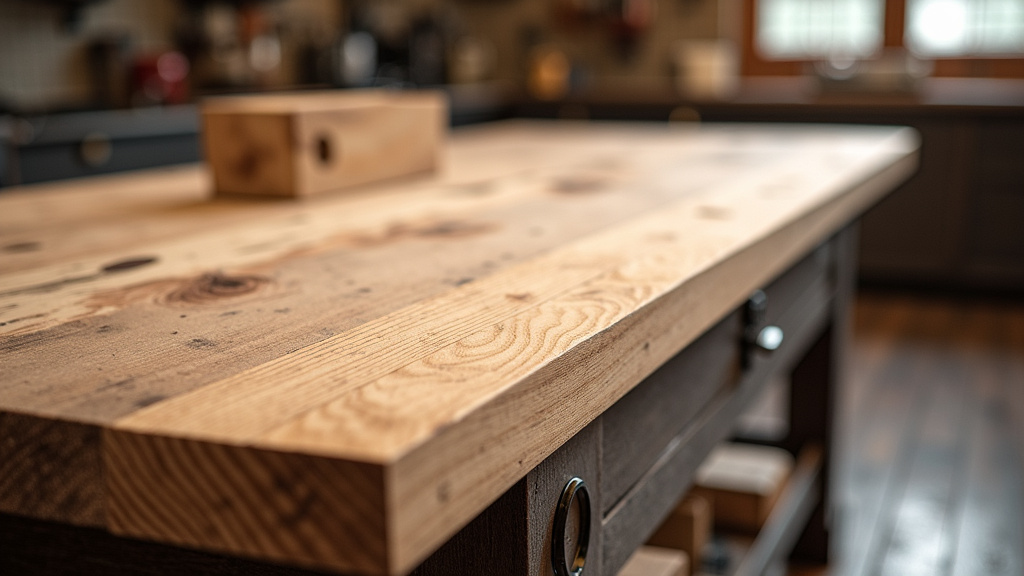
Answering these will point you toward the best material for your specific needs. Remember, even a less expensive wood
Conclusion
You’ve explored the best wood options for your workbench top, from hard maple’s toughness to fir’s budget-friendliness and plywood’s stability. Remember, the ideal choice depends on your projects, budget, and how much wear and tear you expect. You want a surface that supports your work for years to come. Now that you know the key differences, you can confidently select the perfect wood. Your next step is to visit your local lumberyard or home improvement store to see these materials in person and make your final decision. You’ve explored the best wood options for your workbench top; consider an outfeed table for saw support.
Frequently Asked Questions
Is it okay to use a softwood like pine for my workbench top?
Yes, you can use pine, especially if you’re on a tight budget. We found that using multiple layers of pine, like three layers of 3/4-inch boards, creates a surprisingly strong and affordable top. Just be prepared for it to show dents and scratches more easily than hardwoods.
What’s the biggest advantage of using plywood for a workbench top?
The main benefits of plywood are its stability and cost-effectiveness. It’s much less likely to warp or twist than solid wood, even with changes in humidity. We also found that its smooth surface is great for many types of projects.
Should I worry about dents if I choose a hardwood like oak?
Oak is very durable, but it does have a more open grain than maple, which can sometimes trap debris. While it resists dents well, you might notice some wear over time. You can protect the surface with a bench board or mat if you’re concerned about heavy impacts.
How do I make my workbench top last longer?
To extend the life of your workbench top, consider sealing it with a durable finish like polyurethane. If you’re using plywood, reinforcing the edges with hardwood strips can prevent chipping. For any workbench, a sacrificial bench board or mat can protect the main surface from heavy use.
Can I mix different types of wood for my workbench top?
Absolutely! Many builders create a robust top by using a layer of dense hardwood like maple on top for durability and a more affordable softwood or plywood underneath for stability and cost savings. This combination can give you the best of both worlds.