What Is an Adjustable Height Workbench? Sorted Out
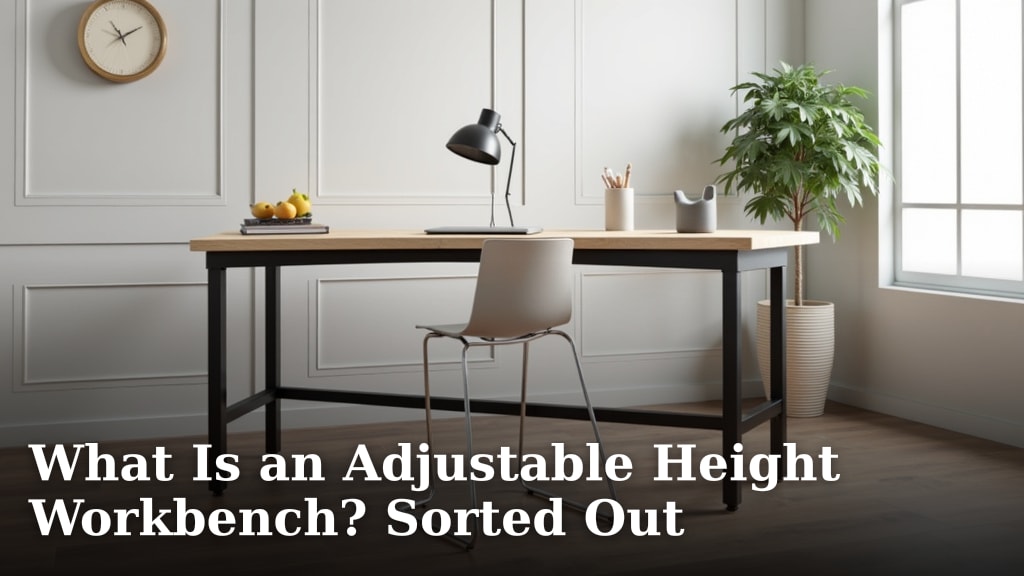
An adjustable height workbench is a versatile workstation that lets you change its height to suit your task and your body. You can easily raise or lower it, making it comfortable for standing or sitting. This type of bench is a fantastic addition to any workshop or garage, offering This type of bench is a fantastic addition to any workshop or garage; our guide to a garage workbench explains its core purpose.flexibility and ergonomic benefits.
Many people find that standard workbench heights don’t work for everyone. An adjustable model means you’re not stuck with one fixed position. This can greatly improve your comfort and reduce strain during long projects. It’s about creating a workspace that adapts to you, not the other way around, leading to better work and fewer aches.
- Adjustable height workbenches let you change the bench height.
- This makes them comfortable for different tasks and people.
- They offer flexibility and help reduce physical strain.
- You can easily switch between sitting and standing work.
Ready to learn more about what makes these workbenches so useful? Let’s break down the ins and outs of adjustable height workbenches so you can decide if one is right for your needs.
“`htmlUnderstanding the Adjustable Height Workbench
So, what exactly is an adjustable height workbench? Simply put, it’s a work surface whose height you can change. Think of it like a desk that can grow taller or shorter. You can raise it up for comfortable standing work or lower it down for tasks requiring you to sit. This makes it a super flexible addition to your shop or garage. This makes it a super flexible addition to your shop or garage; learn more about what is an outfeed table.
The core idea is to provide a customizable workspace. Many standard workbenches have a fixed height. This might be perfect for some, but for others, it can lead to awkward postures. An adjustable bench lets you dial in the perfect height for whatever you’re doing and whoever is using it. This is a big deal for comfort and preventing strain.
Why Go Adjustable? The Benefits You’ll Love
Ergonomics: Your Body Will Thank You
Let’s talk about ergonomics. This is basically the science of designing things to fit people. When a workbench is the wrong height, you might find yourself hunching over or stretching uncomfortably. We found that working with poor ergonomics for long periods can lead to back pain, neck strain, and sore shoulders. Think about how you feel after a long day at a desk that’s not quite right – it’s similar, but often more intense with workshop tasks.
An adjustable workbench allows you to set the height so your elbows are at about a 90-degree angle when you’re working. This is often cited as the ideal position for many tasks, whether you’re sanding, assembling, or fine-tuning. Many experts recommend this for reducing the risk of repetitive strain injuries (National Institute for Occupational Safety and Health).
Versatility for Every Task and User
Have you ever needed to sit down for a delicate project, but your workbench is too high? Or maybe you’re taller than average and a standard bench feels like a toy? An adjustable bench solves this. You can easily switch between sitting and standing. This means one bench can serve many purposes. It’s like having multiple workstations in one.
Imagine a situation where different people use the same workspace. Perhaps a parent and a child, or two people with different physical builds. An adjustable bench ensures that everyone can work comfortably and safely. This kind of adaptability is key for a shared or multi-purpose area. You don’t have to compromise.
Improved Safety and Precision
When you’re comfortable and your posture is good, you’re less likely to make mistakes. Working at an awkward height can make it harder to control your tools or see what you’re doing clearly. This can sometimes lead to accidents or damaged materials. An adjustable bench helps you maintain better control and focus.
Having the workbench at the right height means your hands are in a more natural position. This can lead to more precise work. For tasks requiring fine motor skills, like electronics repair or model building, this level of control is essential. You’ll find it easier to hold small parts or make accurate cuts.
How Do They Work? The Mechanics Behind the Magic
Manual Adjustment Mechanisms
Many adjustable benches use manual systems. These often involve hand cranks or levers. You might turn a crank, similar to a car jack, to raise or lower the legs. Others might have a pin-and-hole system where you lift the surface and secure it at different levels. We found these are generally simpler and more affordable.
The trade-off with manual systems is that they require more effort. Adjusting the height can take a minute or two. If you plan to change the height frequently throughout the day, this might become a bit of a chore. However, for occasional adjustments, they work perfectly well and are very reliable.
Electric Adjustment Systems
For ultimate ease, electric adjustable workbenches are the way to go. These use a motor to raise and lower the workbench with the push of a button. It’s similar to an electric standing desk. This makes changing the height quick and effortless. You can switch positions in seconds.
Electric models are fantastic if you plan to alternate between sitting and standing often. They are also great if you have physical limitations that make manual cranking difficult. The convenience comes at a higher price point, and they do require a power source, which is something to consider for your workspace layout.
Weight Capacity and Stability
A critical feature is the workbench’s weight capacity. You want a bench that can handle the weight of your tools, materials, and the force you apply when working. Adjustable mechanisms can sometimes introduce a slight wobble, especially in cheaper models. We looked at many designs and found that sturdy construction is paramount.
Look for benches with thick, solid tops and robust leg designs. The lifting mechanism itself needs to be strong enough not to sag or become unstable under load. Many manufacturers provide clear specifications for weight limits, so always check those before purchasing. A stable workbench is a safe workbench.
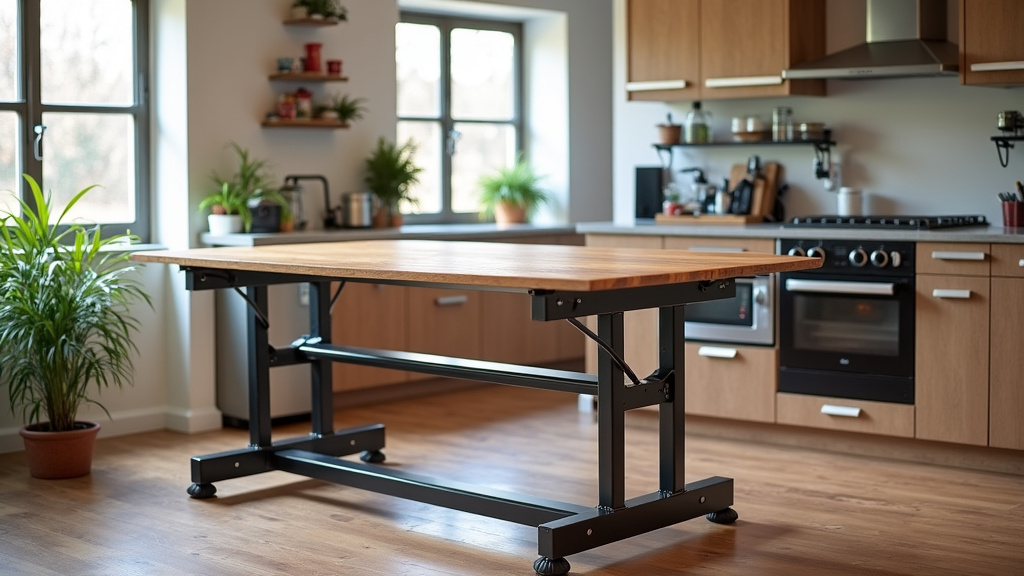
Choosing the Right Adjustable Workbench for You
Consider Your Primary Tasks
What will you be doing on this workbench most often? If you’re doing heavy-duty woodworking, you’ll need a very robust bench with a high weight capacity. For lighter tasks like electronics repair or crafts, a less heavy-duty model might suffice. Think about the tools and materials you’ll use.
Do you need a large surface area for spreading out projects, or will a smaller footprint do? Some adjustable benches come with expansive tops, while others are more compact. Measure your available space and consider the ideal size for your typical workflow. This will help narrow down your options considerably.
Manual vs. Electric: A Tough Choice?
As we discussed, manual crank or pin-lock systems are typically more budget-friendly. They are reliable and don’t need power. Electric systems offer superior speed and ease of use, perfect for frequent adjustments. We found that many users appreciate the simplicity of manual, while others swear by the convenience of electric.
If your budget is a primary concern, a manual adjustable workbench is likely the best fit. If you have the funds and value speed and effortless transitions, an electric model might be worth the investment. It really comes down to your personal preferences and how you plan to use the bench.
Material Matters: Top and Frame
Workbench tops come in various materials, each with pros and cons. Solid wood tops are durable and can be worked on directly. Steel tops are very tough and easy to clean, good for greasy or messy jobs. Laminate or composite tops offer a balance of durability and cost. We found that the frame material (usually steel) is also important for stability.
Consider the surface you’ll be working on. Will it need to withstand heat, chemicals, or heavy impact? For example, a butcher block top is excellent for woodworking, offering a forgiving surface. A steel top is better for metalworking or tasks involving solvents. The frame needs to be strong enough to support the top and everything you place on it.
Quick Checklist: Is an Adjustable Workbench Right for You?
- Do you often experience discomfort or strain when working at your current workbench?
- Do you switch between sitting and standing while working on different projects?
- Is having a workspace that can adapt to different users or tasks important?
- Are you looking for improved ergonomics and potentially better posture?
- Does your budget allow for a bench with adjustable features, either manual or electric?
- Do you have the necessary space for a workbench that might require a bit more clearance for adjustments?
Conclusion
An adjustable height workbench offers a smart way to upgrade your workspace. You gain the ability to tailor your bench to your comfort, your tasks, and even different users. We found that improved ergonomics and increased versatility are major benefits. Whether you choose a manual or electric model, the core advantage is a workstation that adapts to your needs. Ready to feel the difference? Consider your primary projects and budget, then take the step towards a more comfortable and efficient workspace.
Frequently Asked Questions
Can I adjust the height on any workbench?
No, not all workbenches have adjustable height features. Standard workbenches typically have a fixed height. You’ll need to specifically look for models labeled as “adjustable height” to get this functionality.
Are adjustable height workbenches stable when loaded?
Most well-made adjustable workbenches are designed for stability. We found that sturdy construction, thick tops, and robust leg mechanisms are key. Always check the manufacturer’s weight capacity to ensure it can handle your heaviest projects.
What’s the main difference between manual and electric adjustment?
Manual adjustment usually involves a hand crank or levers, requiring more physical effort. Electric adjustment uses a motor, allowing you to change the height with the push of a button for speed and ease.
How often should I adjust the height of my workbench?
The frequency depends on your workflow. If you regularly switch between sitting and standing tasks, you might adjust it daily or even multiple times a day. If you primarily stand or sit, you may only adjust it occasionally.
Are adjustable height workbenches more expensive than fixed ones?
Generally, adjustable height workbenches tend to be more expensive than basic fixed-height models. Electric versions typically cost more than manual crank models due to the motor and electronic components.