Is MDF Good for a Workbench Top? The Basics
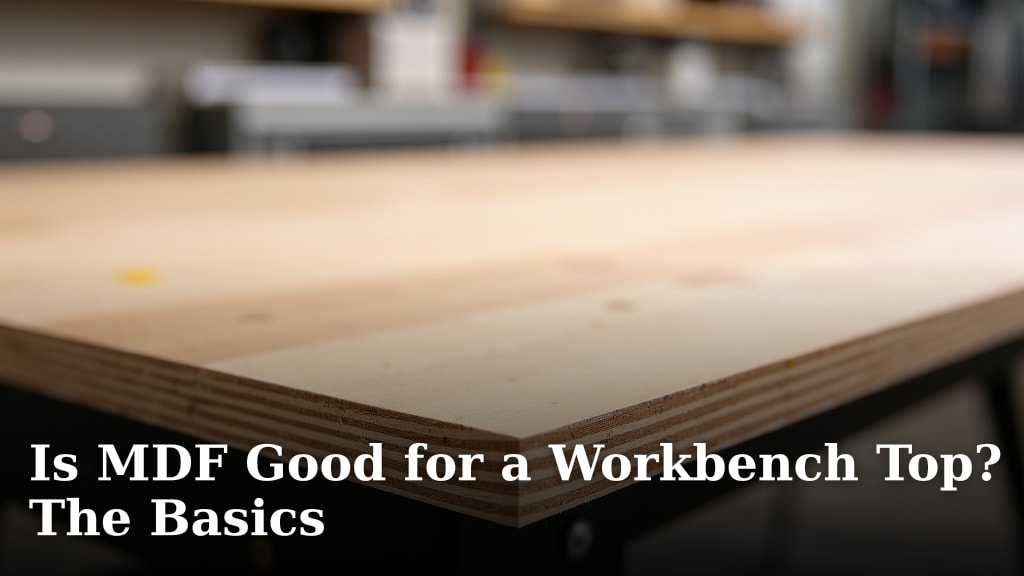
Yes, MDF can be a good option for a workbench top, especially for DIYers on a budget. It offers a smooth, flat surface that’s great for many workshop tasks. We found that its affordability makes it a popular choice for home shops.
While MDF is cost-effective, it’s important to understand its limitations. It’s not as durable as hardwoods and can be susceptible to moisture damage. However, with proper sealing, it can withstand regular use in a home workshop environment.
- MDF is an affordable choice for workbench tops.
- It provides a smooth, flat work surface.
- Be mindful of its susceptibility to moisture.
- Sealing MDF can significantly improve its durability.
- Consider your specific workshop needs before deciding.
Let’s break down what makes MDF a suitable, or sometimes less suitable, material for your workbench, and how you can make it work best for you. Learn more about what makes a good garage workbench for your needs.
Considering MDF for Your Workbench Top: What You Need to Know
So, you’re thinking about using MDF for your workbench top. That’s a smart move for many DIYers. It really offers a smooth, flat surface that’s hard to beat for the price. We found that for home workshops, it’s often a go-to choice, especially when budget is a big concern.
What Exactly is MDF?
MDF stands for Medium Density Fiberboard. Think of it as wood that’s been mashed up, reformed, and glued together under pressure. Manufacturers take wood scraps and sawdust, break them down into fibers, and then mix them with a resin binder. This mixture is then pressed into flat panels using heat and high pressure.
The result is a very uniform and stable material. Unlike solid wood, it doesn’t have knots or grain patterns. This uniformity is one of its biggest advantages for a workbench. We found that this makes it incredibly stable, meaning it’s less likely to warp or twist over time compared to some other wood products.
The Pros of Using MDF for Your Workbench
Let’s talk about why MDF is such a popular choice. The first big win is the cost-effectiveness. You can often get a large sheet of MDF for much less than a comparable piece of hardwood plywood or solid lumber. This means you can build a spacious workbench without breaking the bank. Many hobbyists and DIYers appreciate this affordability.
A Smooth, Flat Surface
Another major plus is the perfectly smooth and flat surface MDF provides right out of the box. There’s no rough grain to deal with. This is fantastic for tasks that require precision, like cutting, sanding, or assembling small parts. You won’t have to do a lot of initial sanding to get it ready. We found that this smoothness makes it easier to clamp items down securely and ensures your work sits evenly.
Easy to Work With
MDF is also quite easy to cut and shape. Because it’s so uniform, it doesn’t splinter like solid wood can. You can get clean edges with standard woodworking tools. This makes the building process more straightforward, even if you’re not an experienced woodworker. We found that many people can achieve professional-looking results with basic tools.
The Cons: Where MDF Falls Short
Now, it’s not all perfect. MDF has some significant drawbacks you need to consider. The biggest one is its susceptibility to moisture. MDF is like a sponge when it comes to water. If you spill a liquid on it, or if it’s exposed to high humidity for extended periods, it can swell and degrade. This can ruin the surface and compromise the integrity of your workbench.
Durability Concerns
While MDF is dense, it’s not as tough as hardwoods. It can be dented or chipped if you drop heavy tools on it. The edges are particularly vulnerable. If you’re planning on doing heavy-duty woodworking with metal or concrete, MDF might not hold up as well as a thicker hardwood top. Many experts suggest that for very demanding tasks, you might need a more robust material.
Weight and Dust
MDF is surprisingly heavy. A full sheet can be quite cumbersome to handle, especially when you’re trying to maneuver it into place. Also, when you cut or sand MDF, it produces a very fine, powdery dust. This dust can be an irritant to your lungs and eyes, so wearing proper respiratory protection is essential. We found that good dust collection is a must when working with MDF.
Making MDF Work for Your Workbench
The good news is that you can often overcome MDF’s weaknesses with a bit of preparation. Proper sealing is key to making your MDF workbench top last. Think of it like waterproofing your phone; it adds a protective layer.
The Importance of Sealing MDF
Sealing MDF is probably the most important step you can take. It creates a barrier that helps protect the material from moisture and makes it easier to clean. You have several options for sealing.
Paint and Varnish
A good coat of paint can do wonders. Use a high-quality primer designed for MDF, and then apply several coats of durable paint, like enamel or polyurethane. We found that multiple thin coats are better than one thick one. For even more protection, especially on the top surface, consider adding a few coats of clear polyurethane varnish or a tabletop epoxy resin. This creates a hard, protective shell.
For the edges, you’ll want to seal them thoroughly as well. They are the most exposed parts. Some people even wrap the edges with metal or hardwood strips for added protection. Research suggests that sealing all six sides of the MDF panel can help prevent it from absorbing moisture from the air.
Water-Based vs. Oil-Based Sealants
When choosing sealants, consider the environment. Water-based polyurethanes are easier to clean up and have less odor, but oil-based versions often provide a harder, more durable finish. Many DIYers opt for water-based options for ease of use in a home setting. We found that the key is consistent application and allowing each coat to dry completely.
Adding a Durable Overlay
If you’re concerned about the durability of MDF alone, you can add a protective overlay. This is like putting a shield on top of your workbench. Common choices include:
- Hardboard: A thin, smooth sheet of fiberboard that can be glued and screwed on top of the MDF.
- Plywood: A layer of hardwood plywood can add strength and a different aesthetic.
- Sheet Metal: For a super durable and easy-to-clean surface, a sheet of steel or aluminum can be attached.
- Laminate: Similar to what’s used on countertops, laminate can be glued to the MDF for a tough, smooth finish.
We found that attaching these overlays securely is important. Using a good adhesive and plenty of screws ensures a stable and long-lasting surface. This layering approach can give you the best of both worlds: the flat, affordable surface of MDF with added protection.
MDF vs. Other Workbench Top Materials: A Quick Look
How does MDF stack up against other popular workbench top materials? Let’s quickly compare. Your choice really depends on your budget and how you plan to use the bench.
| Material | Pros | Cons | Cost |
|---|---|---|---|
| MDF | Smooth, flat, affordable, easy to cut | Susceptible to moisture, can dent, heavy, dusty | Low |
| Plywood (Birch/Maple) | Strong, relatively flat, takes finishes well | Can warp, requires more sanding, more expensive than MDF | Medium |
| Hardwood (Butcher Block) | Very durable, can be repaired, attractive | Expensive, requires oiling, can be heavy | High |
| Laminate | Very smooth, durable, easy to clean | Can chip, glue-on installation needed, not as thick | Medium |
As you can see, MDF is often the most budget-friendly option. Plywood offers a good balance of cost and performance. Hardwood is the premium choice for durability. Laminate provides a tough, easy-clean surface.
Is MDF Right for Your Workshop? A Checklist
Before you decide, ask yourself these questions. This can help you determine if MDF is the best fit for your needs.
- What kind of projects will you be working on?
- How much abuse will the workbench take?
- What is your budget for the workbench top?
- Are you willing to take the time to seal and protect the MDF?
- Do you have good ventilation and dust collection for cutting MDF?
- What level of precision do you need for your tasks?
If you’re looking for a cost-effective way to get a flat, smooth surface for general DIY, assembly, or lighter craft projects, and you’re prepared to seal it well, then MDF is likely a great choice for your workbench top. Many find it perfectly suitable for their home workshop needs.
Conclusion
So, can MDF be a good workbench top? Absolutely, especially if you’re balancing a budget with your workshop needs. We’ve seen that its smooth, flat surface is a major win for many projects. Just remember its main weakness: moisture. By properly sealing your MDF top, and perhaps adding a protective overlay, you can create a durable and reliable workspace. Before you buy, consider what you’ll be doing at your bench. If it’s general DIY and crafting, well-sealed MDF is likely a perfect fit. Ready to build? Start by planning your sealing strategy.
Frequently Asked Questions
How thick should an MDF workbench top be?
For most home workshop tasks, a single sheet of 3/4-inch thick MDF is usually sufficient. If you plan on heavy-duty use, consider laminating two sheets together for a 1.5-inch thick top. We found that this provides extra strength and a more substantial feel for your workbench. Consider if an outfeed table might be a useful addition to your setup.
Can I use MDF if my workshop is damp?
If your workshop is prone to dampness or high humidity, MDF might not be the best choice on its own. Even with sealing, prolonged exposure to moisture can cause swelling and damage. In such conditions, you might consider a different material or adding a very robust overlay like sheet metal.
How often should I re-seal an MDF workbench top?
With proper sealing, you might only need to re-apply a coat of varnish or sealant every year or two, depending on use. For painted surfaces, touch-ups may be needed sooner if you notice wear. We found that a quick inspection every few months can help you spot areas needing attention.
Is it safe to cut MDF for a workbench top indoors?
Cutting MDF indoors requires good ventilation and respiratory protection. The fine dust produced can be an irritant. We strongly recommend using a dust collection system and wearing a quality dust mask or respirator when cutting or sanding MDF, even in a workshop setting.
Can I glue and screw MDF directly to my workbench legs?
Yes, you can absolutely attach an MDF top directly to your workbench frame. Use wood screws that are long enough to go through the MDF and securely into the legs or frame, but not so long that they poke through the top surface. We found that pre-drilling pilot holes helps prevent splitting.