Standing at a Workbench All Day: The Full Picture

Standing at a workbench all day can definitely take a toll on your body. You might feel tired, stiff, or even experience pain, especially in your legs, feet, and back. It’s important to be prepared for these challenges and to know how to manage them to stay healthy and productive on the job.
Many people who work at a workbench for long hours face similar issues. Understanding the common problems and what you can do about them is key. We’ve looked into what makes standing all day tough and found there are practical ways to make your workday more comfortable and sustainable.
- Standing all day can cause leg, foot, and back pain.
- Poor posture contributes to discomfort.
- Fatigue is a common complaint.
- Simple changes can make a big difference.
Let’s break down the full picture of what standing at a workbench all day means and what you can do to feel better.
The Reality of Working Long Hours on Your Feet
When your job requires you to stand at a workbench all day, your body is put under a lot of stress. Many people find their legs and feet ache. Your back might start to feel stiff. It’s a common experience for anyone spending hours in one static standing position. We’ve looked into why this happens and what you can do to feel better.
Why Standing All Day Takes a Toll
Your body is designed to move. When you stand still for extended periods, especially on a hard surface, it can lead to several issues. Muscles in your legs and feet work hard to keep you upright. Blood can pool in your lower extremities. This puts extra strain on your veins and muscles.
Research from workplace safety organizations often highlights the risks of prolonged standing. These include general fatigue, muscle soreness, and even more serious problems like varicose veins over time. It’s not just about feeling tired; it’s about the cumulative effect on your physical health.
Common Discomforts You Might Experience
You’re probably familiar with that familiar ache after a long shift. It often starts in your feet and can creep up your legs. Your lower back might feel tight and sore. This is your body telling you it’s not happy with the constant pressure.
Headaches can also be a side effect. This might seem strange, but experts suggest it can be linked to muscle tension and fatigue. When your body is working hard to maintain balance, it can affect your whole system. We found that even simple things can help alleviate this.
Making Your Workspace Work for You
The good news is you don’t have to just suffer through the discomfort. There are practical steps you can take to improve your situation. Your workbench setup and your own habits play a big role. Small adjustments can lead to big improvements in how you feel.
Choosing the Right Footwear is Key
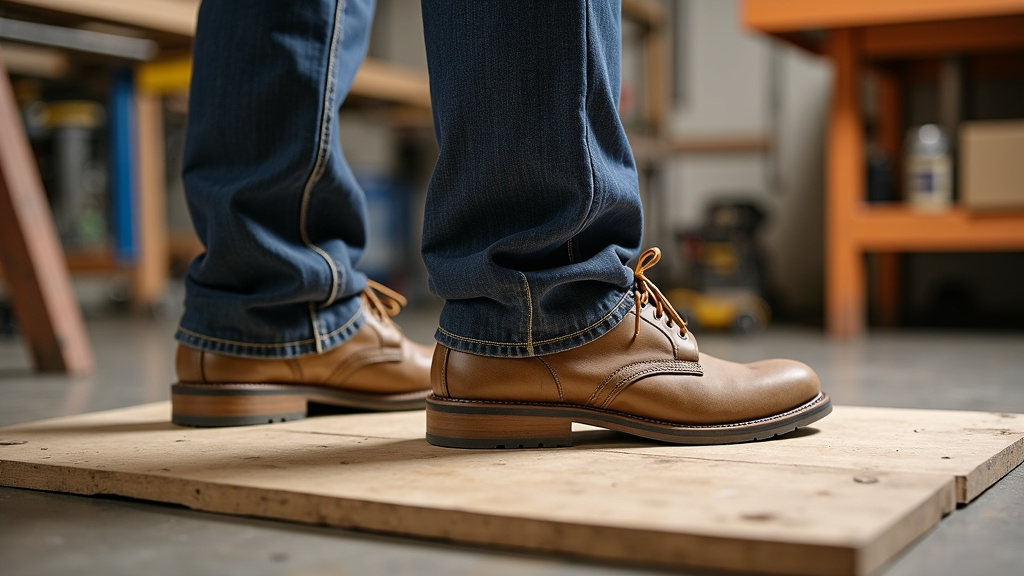
Think about what’s between your feet and the floor. Your shoes are your first line of defense. They need to offer good support and cushioning. Standing on a hard surface all day in flimsy shoes is a recipe for foot pain.
We looked at recommendations from podiatrists and ergonomic specialists. They often stress the importance of shoes with ample arch support and shock absorption. Look for styles that are specifically designed for people who are on their feet a lot. A good pair of shoes can make a noticeable difference.
The Importance of Anti-Fatigue Mats
What are you standing on? A hard concrete or tile floor will amplify the stress on your body. Anti-fatigue mats are designed to provide a softer, more yielding surface. They help reduce pressure on your feet and legs.
These mats work by encouraging tiny movements in your leg muscles. This helps improve circulation and reduces stiffness. Many workplace safety guides suggest them as a simple yet effective solution. They can help prevent that heavy, tired feeling in your legs by the end of the day.
Optimizing Your Workbench Height and Setup
Is your workbench at the right height for you? If it’s too high or too low, you might find yourself stooping or reaching. This can put a strain on your back and neck. Proper ergonomics are essential.
Generally, the ideal height allows your arms to be at a comfortable angle. Your elbows should be roughly at a 90-degree angle when your hands are resting on the workbench. This positioning minimizes muscle strain. We found that even a slight adjustment can feel like a revelation. Make sure you can work without hunching over.
Tools and Equipment Placement
Think about where your tools and materials are. Constantly reaching or twisting to grab something can cause strain. Keep frequently used items within easy reach. This reduces unnecessary movement and twisting of your torso.
Organizing your workspace efficiently means less physical stress. Imagine a chef in a kitchen; everything is laid out to minimize movement. Apply this principle to your workbench. Easy access means less strain on your back and shoulders. Organizing your workspace efficiently can minimize physical stress and improve workflow.
Movement and Breaks: Your Best Allies
Even with the best setup, standing still for too long isn’t ideal. Your body needs breaks and movement to recover and stay comfortable. Think of it like this: even a car engine needs to cool down sometimes.
The Power of Micro-Breaks
You don’t need long breaks to make a difference. Short, frequent breaks are incredibly effective. Even 30 seconds of stretching or walking can help. These micro-breaks prevent muscles from becoming too stiff.
Try simple stretches at your station. Reach for the sky, twist gently, or do calf raises. These small movements improve blood flow. Many employee wellness programs suggest incorporating these throughout the day. They help reset your body.
Simple Stretches to Do at Your Workbench
Let’s talk about some easy moves you can do. They don’t require much space or time.
- Calf Raises: Stand with your feet flat, then slowly rise onto the balls of your feet. Hold for a moment, then lower. Repeat 10-15 times.
- Quad Stretch: Stand tall and hold onto a stable object for balance. Gently bend one knee, bringing your heel towards your glutes. Hold your ankle if possible. Feel the stretch in the front of your thigh. Hold for 20-30 seconds, then switch legs.
- Shoulder Rolls: Roll your shoulders forward in a circular motion for 10 repetitions. Then, roll them backward for another 10. This releases tension in your upper back and neck.
- Back Extension: Place your hands on your lower back and gently arch backward. Hold for a few seconds, feeling the stretch.
These are just a few examples. The goal is to move your body in different ways. Your muscles will thank you.
When to Take a Sit-Down Break
Scheduled sit-down breaks are also vital. Use them to rest your legs and change your posture. Even a few minutes of sitting can significantly reduce fatigue. It allows blood to flow more freely away from your legs.
If possible, find a place to sit where you can elevate your feet slightly. This helps counteract blood pooling. Listen to your body; if you feel the need to sit, do it. It’s better to take a short break than to push through and risk injury.
Lifestyle Factors That Help You Cope
What you do outside of work also impacts how you feel at your workbench. Your overall health plays a role in your endurance and recovery.
Hydration and Nutrition
Staying well-hydrated is important for muscle function and energy levels. Dehydration can lead to fatigue and muscle cramps. Keep a water bottle handy and sip throughout the day.
A balanced diet provides the nutrients your body needs to perform. Include plenty of fruits, vegetables, and lean protein. This helps your body repair itself and maintain energy. Good nutrition is like giving your body the right fuel.
Sleep and Recovery
Getting enough quality sleep is non-negotiable. It’s when your body does most of its repair work. If you’re not getting 7-9 hours of sleep per night, you’ll likely feel it more at work.
Good sleep hygiene, like having a regular sleep schedule and a dark, quiet room, can help. This allows your muscles to recover fully from the day’s demands. You’ll feel more refreshed and ready to face the workday.
Regular Exercise Outside of Work
It might seem counterintuitive, but regular physical activity can help. Strengthening your core and leg muscles makes them more resilient to long periods of standing. Activities like walking, swimming, or strength training are beneficial.
Stronger muscles provide better support for your joints and back. This can help prevent aches and pains. It’s about building a body that’s better equipped to handle the demands of your job. Even moderate exercise makes a difference.
A Quick Checklist for a Better Workday
Here’s a simple checklist to help you implement some of these tips:
- Ensure your workbench is at the correct ergonomic height.
- Wear supportive, cushioned shoes every day.
- Use an anti-fatigue mat if possible.
- Incorporate short stretching breaks every hour.
- Stay well-hydrated throughout your shift.
- Prioritize getting enough sleep each night.
Conclusion
Standing at your workbench all day doesn’t have to mean constant discomfort. You’ve learned that simple, practical changes can make a big difference in how you feel. Focusing on your footwear, workspace setup, and taking regular breaks are key strategies. Remember, your body needs movement to stay comfortable and avoid strain.
By incorporating these tips into your workday, you can improve your endurance and reduce fatigue. Start by picking one or two changes to implement this week. You’ll be on your way to a more sustainable and pain-free workday.
Frequently Asked Questions
How often should I take breaks when standing at a workbench?
Aim for short, frequent breaks, like a 30-second stretch or walk, every 30-60 minutes. Even these micro-breaks help prevent muscle stiffness and improve blood flow. Listen to your body; if you feel tired, take a quick break.
What is the best type of shoe for standing all day?
You should wear shoes with excellent arch support and cushioning. Look for styles designed for people who are on their feet for long periods. Avoid flat, unsupportive shoes, as they offer little protection against hard surfaces.
Can an anti-fatigue mat really help my back pain?
Yes, anti-fatigue mats can help reduce strain on your legs and back. They provide a softer surface that encourages small movements, improving circulation and lessening pressure. Many find they significantly reduce discomfort by the end of a shift.
How do I know if my workbench is the right height?
Your workbench should be at a height where your elbows are roughly at a 90-degree angle when your hands are resting on it. This position allows you to work without stooping or reaching, which reduces strain on your back and neck.
Are there any exercises I can do at my station?
Yes, simple exercises like calf raises, shoulder rolls, and gentle back extensions can be done right at your workbench. These movements help keep your muscles flexible and improve circulation, counteracting the stiffness from standing still.