Workbench Size for a Small Garage: Facts and Tips
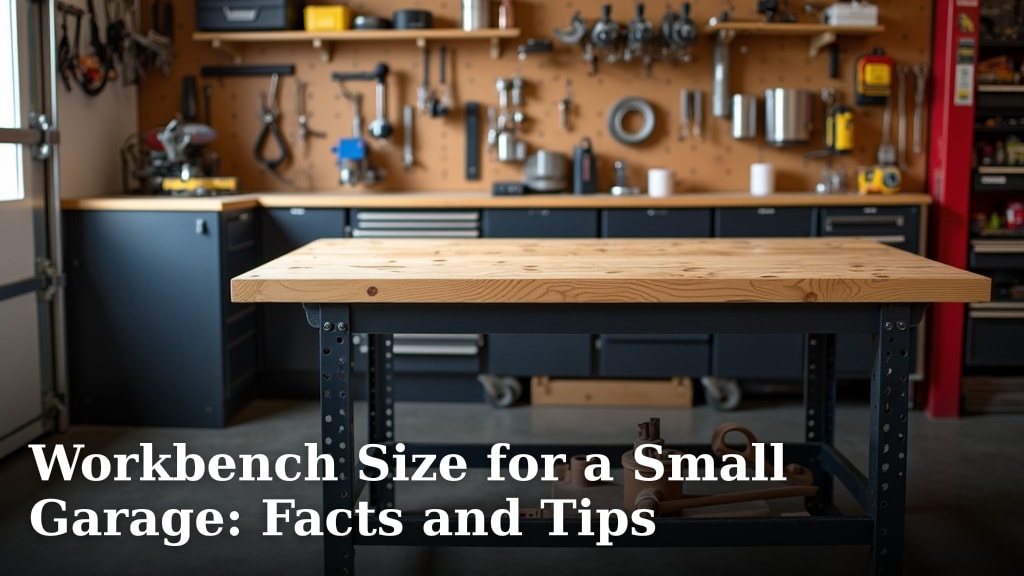
Choosing the right workbench size for a small garage is all about balancing your workspace needs with your available room. A common sweet spot for many small garages is a workbench that is around 4 feet long and 2 feet deep. This size provides enough surface area for most projects without taking over your entire space.
When you’re working with limited square footage, every inch counts. You’ll want a workbench that’s functional for your tasks but also allows you to comfortably move around your garage. Considering storage needs is also key; many compact workbenches offer built-in drawers or shelving for tools and supplies.
- Ideal workbench size for small garages: about 4 ft long x 2 ft deep.
- Prioritize a size that allows for comfortable movement.
- Think about built-in storage for tools.
- Consider multi-functional workbenches.
Let’s walk through some smart ways to pick the perfect workbench size for your small garage.
“`htmlChoosing the Right Workbench Dimensions for Your Small Garage
Finding the perfect workbench size for a small garage can feel like a puzzle. You want enough space to work, but not so much that you can’t walk around. We’ve found that a 4-foot by 2-foot footprint often hits that sweet spot. This gives you a decent work surface without overwhelming your limited space.
Understanding Your Workspace Constraints
Before you measure anything, take a good look at your garage. How much free floor space do you actually have? Consider not just the workbench itself, but also the room needed to open car doors, move tool chests, and simply stand comfortably while you work. Think about pathways. You need to be able to walk from the entrance to your workbench and to any other storage areas without doing a contortionist act. We recommend measuring the clear, usable floor area you have available.
Measuring Your Available Space
Grab a tape measure. Walk around your garage and measure the longest available wall space. Then, measure how much depth you can dedicate to a workbench. Remember to account for things like existing shelving, water heaters, or the garage door mechanism. You don’t want your new workbench to be a constant obstacle. Many people find that a depth of 24 inches is sufficient for most tasks.
Assessing Your Typical Projects
What do you usually do in your garage? Are you building birdhouses, repairing appliances, or doing detailed electronic work? Larger projects might need more surface area. If you’re assembling furniture, you’ll need space to lay out the parts. For hobbyists doing detailed work, precision is key, and a cluttered bench won’t help. Think about the largest item you typically work on. Does that item fit comfortably on a 4-foot surface? If not, you might need to adjust your length.
Key Workbench Dimensions Explained
When talking about workbench size, two primary measurements matter: length and depth. Let’s break down why each is important for your small garage.
Workbench Length: The Horizontal Sweep
The length of your workbench determines how much side-to-side space you have. For a small garage, 4 feet (48 inches) is a popular choice. This length allows you to lay out tools and materials for many common projects. It’s long enough to clamp a decent-sized piece of wood. It also doesn’t jut out too far into your walkway. Some compact options might be 3 feet, but 4 feet usually offers a better balance. We found that going much longer than 6 feet is generally impractical for small spaces.
Workbench Depth: The Reach Inward
Depth refers to how far the workbench extends from the wall. A standard depth for many workbenches is 2 feet (24 inches). This is often enough to hold your tools and projects without making the bench too deep. A shallower workbench, perhaps 18 inches, might be an option if space is extremely tight. However, this can limit the stability and surface area for larger items. A depth of 30 inches or more starts to take up a lot of valuable floor space in a small garage. For most users, 24 inches provides a good balance.
Considering Height and Other Factors
Beyond length and depth, the height of your workbench is also critical for comfort and usability. Think about how you prefer to work – standing or sitting. Many experts recommend a workbench height that allows you to stand comfortably with your elbows at about a 90-degree angle while working. This can reduce back strain. The standard counter height in kitchens is around 36 inches, which works for many people. Adjustable height workbenches are also a great option if you have varied tasks or multiple users.
Optimal Workbench Height for Comfort
We found that the ideal workbench height varies by individual. A good rule of thumb is to measure from the floor to your bent elbow. This measurement is a solid starting point for setting your workbench height. If you plan on doing a lot of hammering or woodworking, you might prefer a slightly lower bench. For tasks requiring fine detail, a slightly higher bench can be more comfortable. Most standard workbenches fall between 32 and 36 inches in height. Consider using a stool or chair if you need to sit for extended periods.
The Role of Storage in Workbench Size
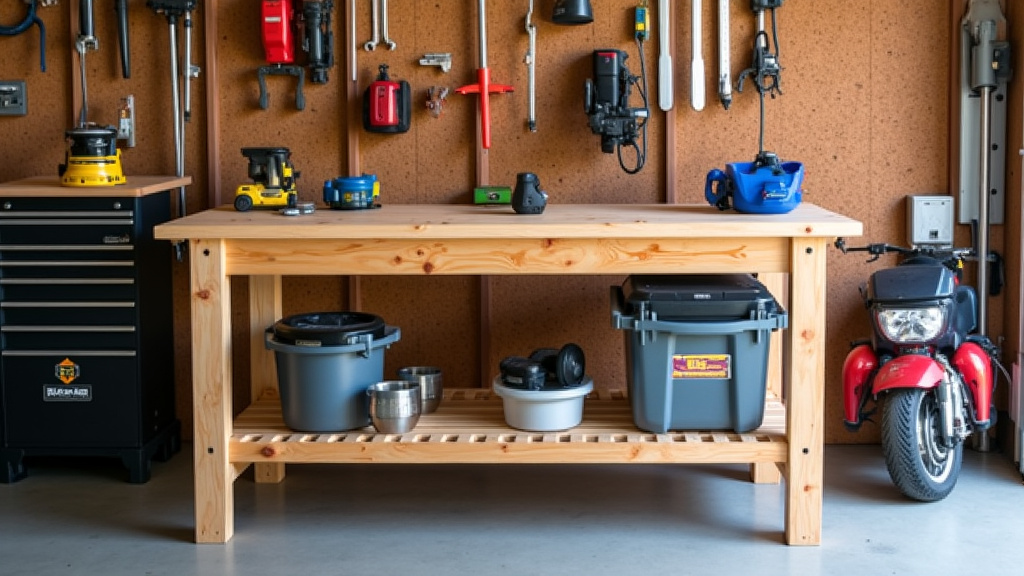
Don’t forget about storage! A workbench can be more than just a flat surface. Many compact workbenches come with built-in drawers or shelves. These can be a lifesaver in a small garage, helping you keep tools organized and out of the way. A workbench with integrated storage can reduce the need for separate cabinets or shelving units, saving precious floor space. Think about what you need to store – hand tools, power tools, small parts – and choose a workbench with appropriate storage solutions.
Built-in Drawers vs. Open Shelving
Drawers are great for keeping smaller items hidden and protected. They prevent dust from settling on your tools and keep your workspace looking tidy. Open shelves are better for larger, bulkier items or frequently used tools that you want to grab quickly. Some workbenches offer a combination, giving you flexibility. We found that a good mix of drawers and shelves is ideal for most hobbyists.
Modular and Expandable Options
If your needs change or you find a little more space later, consider a modular workbench. These units can often be expanded or reconfigured. You might start with a basic 4-foot bench and add a cabinet or a hutch later. This flexibility can be a smart investment for a small garage where space is always at a premium.
Making Your Final Decision: A Checklist
To help you finalize your choice, run through this quick checklist. It will help ensure you’re not overlooking any important details for your small garage.
- Measure your available floor space accurately.
- Consider the size of your largest typical project.
- Determine your ideal workbench height.
- Think about what tools and supplies you need to store.
- Look for benches with integrated storage solutions.
- Prioritize a workbench that allows for comfortable movement.
By carefully considering these factors, you can find a workbench that maximizes your workspace without making your small garage feel cramped.
“`Conclusion
Finding the right workbench size for your small garage is achievable. You’ve learned that a 4-foot by 2-foot footprint often works well, balancing usable space with room to move. Remember to measure your available area carefully and consider your typical projects. Don’t forget to factor in the ideal height for comfort and explore storage options that fit your needs. Take these tips and For woodworking projects, consider if an outfeed table might also be useful for managing larger materials.measure your space this week to find a workbench that makes your garage more functional.
Frequently Asked Questions
What’s the minimum workbench length for a small garage?
While 4 feet is a common recommendation, if space is extremely limited, you might consider a 3-foot workbench. We found that even a shorter length can be useful for smaller tasks and organizing tools.
Can a workbench be too deep for a small garage?
Yes, a workbench can definitely be too deep, taking up valuable floor space. A depth of 2 feet (24 inches) is usually a good compromise. Going much deeper can make it hard to walk around.
Should I prioritize storage over surface area in a small garage?
It’s a balance, but integrated storage is incredibly helpful in small garages. Look for workbenches with drawers or shelves that help keep tools organized and off the main work surface.
How do I determine the best workbench height for me?
A good rule of thumb is to stand with your elbow bent at about 90 degrees. The distance from the floor to your bent elbow is a good starting point for your workbench height.
Are adjustable height workbenches worth it for small garages?
Adjustable height workbenches offer great flexibility if you have different tasks or multiple people using the bench. They can be a worthwhile investment if you need that adaptability.