Which Woodworking Workbench Design Should You Choose?
Choose a woodworking workbench design around the work it must hold: a heavy fixed bench suits hand-tool work, while a folding table suits temporary setups and smaller projects. Match the top, clamping options and footprint to your tasks.
On this page (8 sections)
- Which woodworking workbench design fits your tasks?
- What makes a bench suitable for hand-tool work?
- When does a portable folding design make sense?
- Should you build a bench or buy one?
- How should you choose the top and base?
- How do workholding features change the choice?
- What should you check before choosing a design?
- Which woodworking workbench design should you choose?
Choose a woodworking workbench design around the work it must hold. A heavy fixed bench suits hand-tool work, while a folding table can suit temporary setups, assembly and smaller projects.
Start with the forces your work creates. Planing and chopping call for a stable base and useful workholding, while sanding, layout and assembly may need a clear surface that is easy to move or store.
Which woodworking workbench design fits your tasks?
The best design depends on how you work and what you need to hold. A bench for hand tools needs different features from a portable surface for occasional cuts or glue-ups.
| Design | Good fit for | Check before choosing |
|---|---|---|
| Heavy fixed bench | Hand planing, sawing and repeated bench work | Footprint, height, vise placement and top thickness |
| Portable folding table | Temporary setups, assembly and light projects | Stability, clamp access, surface size and storage |
| Trestle or Moravian bench | Hand-tool work where a sturdy, movable bench is useful | Joinery, disassembly, workholding and plans |
| Bench built around a machine | Work that centers on a vise, saw or other fixed tool | Mounting needs, clearances and the remaining work surface |
A woodworking bench is more than a flat top. Its base, height, surface and ways to secure stock all affect how well it supports a task.
For a plain overview of the parts and purpose, read What Is a Woodworking Bench? A Simple Guide.
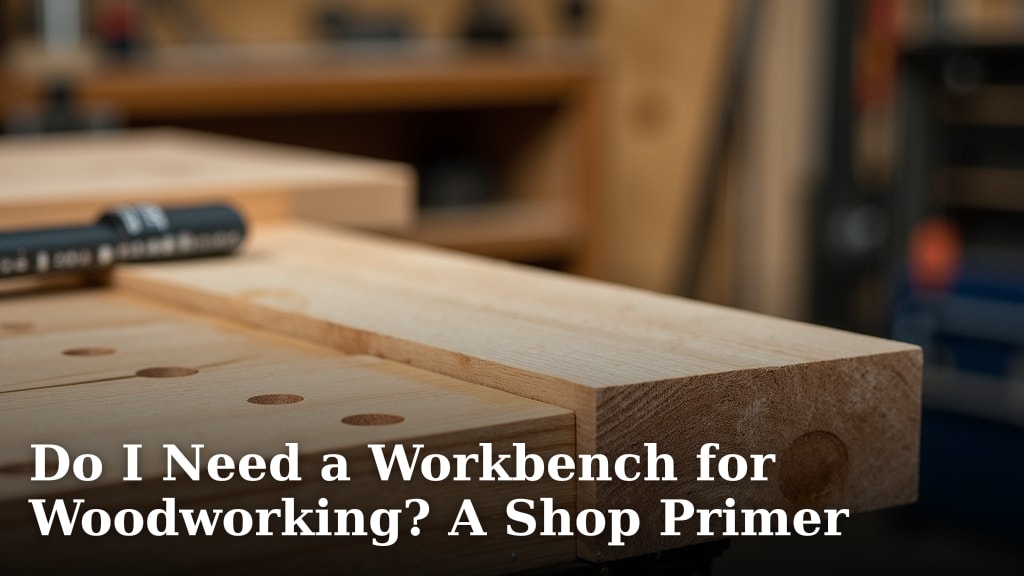
If you are still deciding whether to add a bench at all, our woodworking shop primer explains what a dedicated bench can help you do and what alternatives can cover.
What makes a bench suitable for hand-tool work?
A hand-tool bench needs a stable base and dependable ways to hold stock. Planing pushes across the top, and chopping can send force down into the bench, so a light table may shift unless you secure it.
Look for a rigid base, a top that stays flat and enough mass or anchoring to resist movement. A front vise or end vise can hold boards, while bench dogs, a planing stop or clamps can help with other shapes.
Think about the workholding before the bench dimensions. A long top gives room for boards and assemblies, but a vise placed where you cannot reach it easily can make that space less useful.
Which woodworking workbench design works for hand tools?
A traditional fixed bench is a practical starting point for frequent hand-tool work. Its design can include a thick top, a sturdy base, a vise and holes for bench dogs, though you should check the plans or model for those features rather than assume they are included.
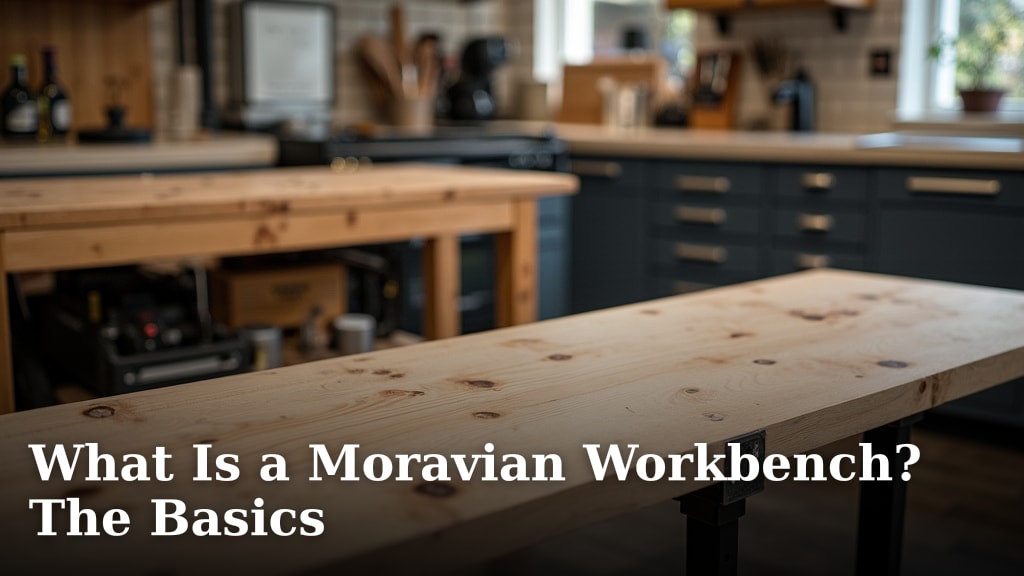
A Moravian bench is another option when you want a hand-tool bench that can come apart for moving. Learn what a Moravian workbench is before comparing its layout with a fixed bench.
Workholding should match your projects. A face vise helps grip an edge for planing; an end vise and dogs can secure a board along the top.
If you mainly work on small parts, a vise or clamp arrangement that holds them close to the top may matter more than a long bench.
When does a portable folding design make sense?
A folding workbench makes sense when you need a work surface that packs away or moves between locations. It can support temporary DIY tasks, assembly and jobs where a permanent bench would use valuable floor space.
Portable designs trade some stability and workholding flexibility for easier storage and setup. Before choosing one for woodworking, check its working surface, clamp options and how firmly it stays put during your intended tasks.
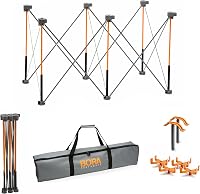
The BORA Centipede stands 30 in tall, and BORA says it supports up to 2,500 lb. Its kit includes a carry bag and 2 quick clamps; the 2 x 4 ft version can also use 2x4 boards as a top support.
The Keter workbench has a 33.46 x 21.65 in surface and supports up to 1,000 lb. Its folding design and included clamps suit projects that need a quick work area, though its smaller top may limit larger assemblies.
Neither folding option should be treated as a heavy hand-tool bench solely because it has a stated load capacity. Capacity describes supported weight, while resistance to side force and clamping movement also matter; secure the table and test its stability with the kind of work you plan to do.
Should you build a bench or buy one?
Build a bench when you want control over its size, height and workholding layout. Buying or using a folding table may be simpler when you need a basic temporary surface and do not want to make a bench from scratch.
A DIY bench can fit a narrow shop, a specific vise or an awkward tool collection. It also takes time, materials and accurate assembly, and the finished bench still needs a stable base and a useful top.
The Rockler legs are 24 in wide and include mounting screws. They are intended for table support, so consider the full build, top material and how you will keep the finished table steady before using it for woodworking.
For a build-from-scratch approach, see our woodworking workbench plans. Decide on the top size, height, base and workholding first, then choose plans that show how those parts fit together.
How should you choose the top and base?
Choose a top and base that stay steady under your usual work and give you the workholding you need. A thick, rigid top can support bench dogs and vise hardware, while a simple portable surface may be enough for layout and assembly.
The top material affects durability, weight and how you can attach accessories. Wood is common for fixed benches, while a replaceable or sacrificial surface can make sense if you expect glue, paint or cutting to mark it.
Base design matters as much as the top. A wide, braced base can resist racking, while folding legs make storage easier but need a secure setup for forceful tasks.
How large should a woodworking bench be?
Choose dimensions based on your largest common project and the space around the bench. A top that fits the work but blocks a doorway or tool path will cause daily problems.
Measure the shop footprint, then mark the bench outline on the floor. Leave room to stand at the working sides, open drawers or doors, and move long boards without hitting nearby equipment.
For hand-tool work, the top should support the board while leaving room for clamps or a vise. Read Workbench Size for Hand Tool Woodworking for a more focused look at dimensions for that kind of work.
What bench height feels right?
Set bench height to match the task and your working posture. A lower surface can give you leverage for hand planing, while detail work may feel easier when the work sits closer to your hands and eyes.
Try a mock-up before you build or buy. Stack boards or use a temporary table to compare heights while planing, sanding and assembling a sample piece.
How do workholding features change the choice?
Workholding features determine how securely you can position stock without awkward clamping. Vises, dogs, stops and clamp points each solve different problems, so choose based on the tasks you repeat.
A front vise is useful for holding a board on edge, while a row of dog holes can help secure a board on the surface. A planing stop offers a simple way to resist forward movement, and clamps can hold parts during glue-up or assembly.
Check where the features sit in relation to your body and tools. A vise that collides with a drawer or leaves too little knee room can make an otherwise sound design frustrating to use.
Portable tables often rely on built-in or supplied clamps instead of traditional vise hardware. That can be convenient for temporary setups, but check that the clamps can reach the stock thickness and orientation you need.
What should you check before choosing a design?
Check task fit, stability, workholding, dimensions and storage before settling on a woodworking workbench design. A short checklist makes it easier to compare a fixed bench, a portable table and a custom build on the same terms.
- List the jobs you do most often, such as hand planing, assembly, sanding or machine setup.
- Note the largest boards and assemblies you need to support.
- Decide whether you need a vise, dog holes, stops or quick clamps.
- Measure the available footprint and access around the bench.
- Compare bench height with your main tasks.
- Consider whether the bench must fold, move or come apart.
- Check how the base resists movement in the direction your tools apply force.
If you are unsure whether a portable setup will stay steady, start with a task that uses modest force and secure the table before increasing the load. A bench design should make your work easier to control, not just provide a surface.
Which woodworking workbench design should you choose?
Choose a fixed, rigid bench with workholding if you regularly use hand tools and have room for a dedicated station. Choose a folding table if portability and storage matter more than vise mounting or a heavy, permanent base.
Build a custom bench when its size, height or vise layout needs to match your shop. Compare your task list with the woodworking workbench plans before choosing a design.
Frequently asked questions
What is the best woodworking workbench design for hand tools?
A heavy, rigid bench with a flat top, a vise and dog holes is a strong starting point for hand-tool woodworking. Its weight helps resist planing and chopping forces, while a vise and dogs hold stock in place.
Choose dimensions that fit your main projects and leave room to move around the bench.
Can a folding workbench work for woodworking?
A folding workbench can work for light assembly, sanding, cutting and portable projects when its surface and clamping options suit the task. It may move or flex under forceful hand-planing, so check how the bench is supported and whether you can secure it before relying on it for demanding work.
Do I need a vise on a woodworking bench?
A vise is useful when you need to hold boards for planing, sawing, carving or edge work. You can also use clamps, bench dogs or a planing stop, depending on your tasks.
Pick a bench with a suitable mounting area if you expect to add a vise later.
What size should a woodworking workbench be?
Choose a top long and wide enough for your common projects, while keeping access around it and leaving room for tools. Bench height should suit the work and your stance.
Measure your shop, the largest pieces you handle and the route for bringing the bench into place before settling on dimensions.
Is a Moravian workbench a good choice for woodworking?
A Moravian workbench can suit a woodworker who values a sturdy hand-tool bench that can be taken apart for moving. Its design uses a trestle base and a top that can be separated from the legs.
Compare its construction and workholding details with your needs before choosing plans or a ready-made bench.